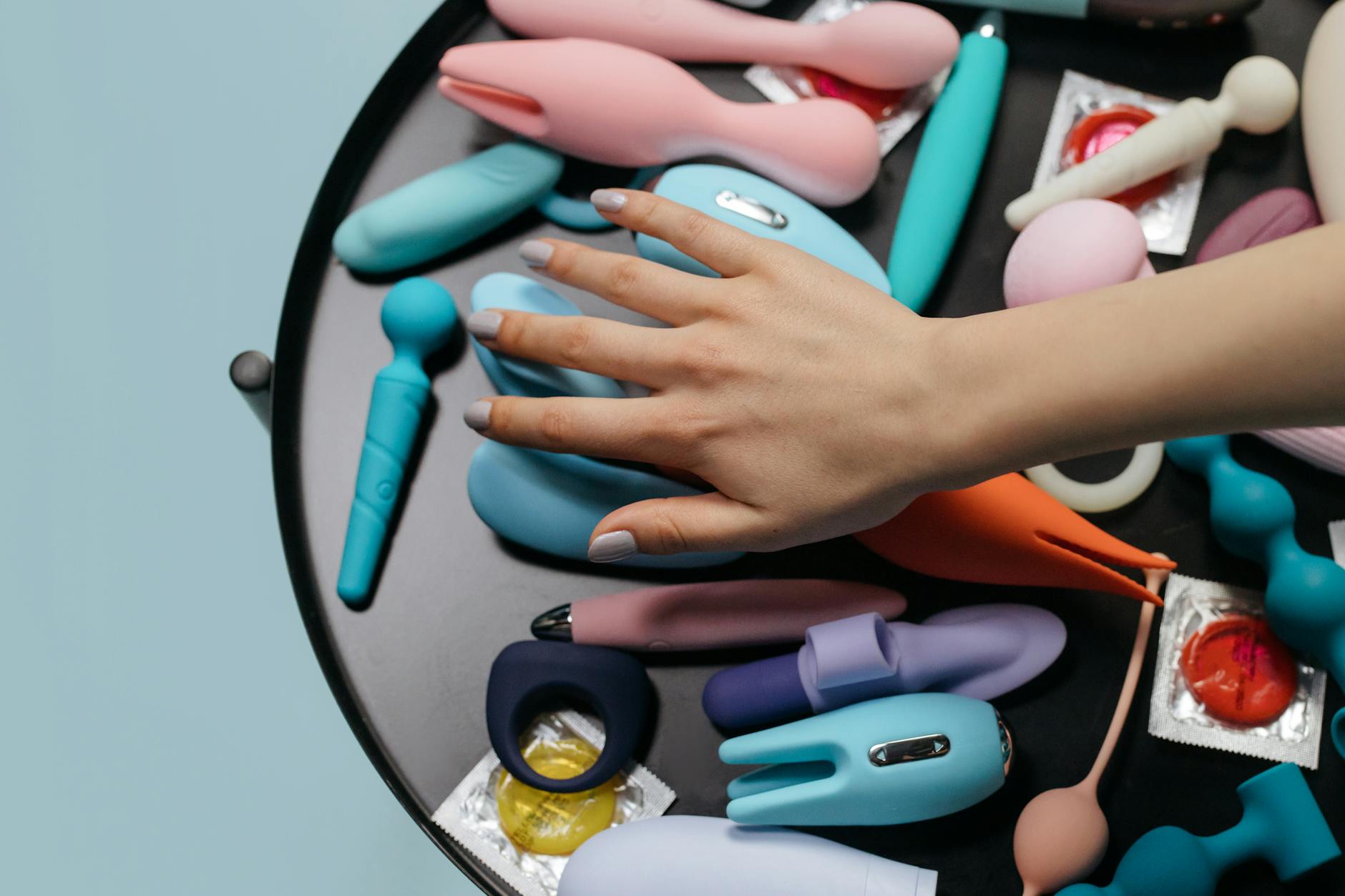
The conversation nobody wants to start (but really should)
Here's the thing: bringing up toys with a partner you haven't talked to about them before can feel weirdly loaded. You worry it'll come across as criticism, or that they'll think you're bored, or that it'll be awkward. So most people just don't mention it, and then later wish they had.
The truth is, the conversation is way less dramatic when you strip away the shame. People use lemon vibrators and other clitoral toys for exactly one reason: they feel good. That's it. Not because anything's wrong, but because pleasure works better with the right tools.
Let's break down how to actually do this.
Timing matters more than you'd think
Don't bring this up mid-conflict, right before bed when you're tired, or immediately after sex when hormones are still settling. Those moments either load the conversation with tension or make it feel reactive instead of intentional.
Instead, pick a calm moment. Maybe you're having coffee on a weekend, or sitting on the couch after dinner. The vibe should be relaxed and unhurried. You want space to breathe and room for back-and-forth.
One more thing: keep it separate from a conversation about your sex life needing to improve or change. You're not diagnosing a problem. You're offering a tool.
How to actually say it (without the awkwardness)
Start with curiosity, not a request. "I've been thinking about exploring something new together" or "I came across something that actually looks pretty interesting" opens a door without putting anyone on the defensive.
Then be specific about what draws you to it. "The design is really intuitive" or "I read that a lot of people say it changes how orgasms feel, which made me curious" gives your partner context and shows you've actually thought about this instead of impulsively Googling it at midnight.
Then hand it over: "Would you be open to trying it sometime?"
Notice what you're not doing here. You're not asking permission, apologizing, or framing it as urgent. You're just presenting an idea and inviting their thoughts. That's all the conversation needs to be.
What to do if they seem hesitant
Hesitation usually isn't about the toy. It's about something else. Maybe they think toys mean they're not enough, or they're embarrassed, or they've absorbed some weird cultural message about sex toys being "unnatural." None of those are about you or the actual product.
If your partner seems uncertain, ask. "What's making you hesitant?" Listen without defending your idea. Often just naming the actual concern dissolves half of it.
Some common ones:
"Doesn't it feel impersonal?" No. If anything, it's more connected because you're doing it together and paying attention to what your partner actually enjoys.
"Will you want me less?" This one's worth taking seriously because it speaks to something deeper about insecurity. Reassure them: toys add to what you already have, they don't replace it. They're an accessory, not a substitute.
"I'm embarrassed." That's fair, and it's worth normalizing. Most people feel that at first. The embarrassment usually fades after the first time you use it together.
If after talking it through, they're still not feeling it, don't push. There's no timeline on this. Sometimes planting the seed is enough. They might come back to the idea later.
Picking the right first toy matters
This is where product choice gets strategic. If your partner has never used a toy before, jumping straight to something intense can backfire. You want something that feels approachable, not intimidating.
The Lemonlem collection is designed with this in mind. Clitoral vibrators like the Lemon vibrator have a simpler interface than wand vibrators, which means less guesswork. Air-suction toys feel gentler and more natural than traditional vibration patterns for someone used to just hands and friction.
Start with a lower intensity setting, something you can hand over and say, "Just explore at your own pace." That takes the pressure off performance and makes it genuinely about curiosity.
Color and aesthetics matter too, even though nobody talks about it. Your partner will feel less weird about a sleek design than something that looks aggressively clinical. That's not shallow. It's just how brains work.
The first time you use it together
Set the scene like you're setting any other kind of intimate time. Dim lights, privacy, time set aside. Not because it's precious or ceremonial, but because relaxation is foundational to pleasure.
Talk about what you both want from it. "Do you want me to use it on you, or do you want to explore yourself?" or "Should we just see what happens and talk about it after?" gives your partner agency instead of surprising them with touch they didn't expect.
Go slow. Let them get used to how it feels and where sensation is strongest. The first time is about information, not necessarily about finishing. That's often the least pressure you'll feel, which ironically makes it easier to enjoy.
Then talk afterward. "What did that feel like?" "Did anything surprise you?" "Want to do that again or try something different?" This is where curiosity becomes intimate. You're learning each other's bodies in a new way.
Reframing what toys actually mean
Here's the mindset shift that usually helps: toys aren't about fixing what's broken. They're about expanding what's already good.
Maybe your partner takes longer to orgasm than you'd like. A lemon clitoral vibrator literally changes the stimulus, which often changes the timeline. That's not you failing. That's you solving a mismatch between bodies using the right tool.
Maybe penetration feels good but stimulation to the clitoris during penetration is hard to manage manually. Toys handle that. You get to focus on each other instead of logistics.
Maybe you both just want to feel different kinds of pleasure. That's allowed. Novelty isn't a sign of boredom. It's a sign you're still curious about each other.
When to check in again
After the first time, don't assume anything. That experience told you what that moment felt like. It didn't tell you whether your partner wants to repeat it weekly or annually.
A few weeks in, once any newness has worn off, ask: "How do you feel about what we tried? Want to keep exploring, or did you get what you needed from trying it?" Both answers are fine. This isn't about converting your partner into a toy enthusiast. It's about expanding your shared toolkit.
If they're interested in more, that's when you can talk about variations. Different intensities, different times in your cycle (if that's relevant), different positions. The conversation gets easier because you've already done the hard part.
If they're satisfied with leaving it as an occasional thing, that's also fine. You tried something together, learned something about each other, and can revisit anytime.
The real reason this matters
Introducing toys isn't about fixing your sex life or proving something. It's about two things: taking your partner's pleasure seriously enough to think creatively about it, and building a relationship where you can ask for what you want without shame.
That vulnerability is actually what deepens connection more than any product ever could. You've said, "I thought about you and what might feel good, and I cared enough to risk being awkward about it."
That's the real intimacy. Everything else is just logistics.
People also ask
Will introducing toys make my partner think I'm unhappy with our sex life?
Most partners interpret toys as curiosity, not criticism. If you frame it as "I want us to explore together" instead of "Something needs to change," the difference registers. You're not saying what you have is bad. You're saying you want it to be more interesting.
What if my partner says no?
Then you drop it. Pressure doesn't work here, and it will just make future conversations harder. You planted the idea. That's sometimes enough. Revisit in six months if you want to, but for now, respect the boundary. A partner who feels forced into something will resent the toy, not enjoy it.
Is there a best age to introduce toys to a partner?
Not really. People of all ages discover them for the first time. If anything, longer partnerships sometimes have more of a mental block because the routine feels established. But readiness is individual, not demographic.
How do I know which lemon vibrator to pick for a beginner?
Look for something with intuitive controls and a lower starting intensity. The Lemonlem products are designed to be accessible and not overwhelming. Read reviews from other first-time users if available. And honestly, ask your partner what appeals to them aesthetically. That matters more than specs.
What if using a toy together makes things feel awkward or weird?
That's completely normal the first time. Awkwardness is just unfamiliarity. It usually passes after you realize nothing terrible happened. If it persists, that's worth talking through. Sometimes there's a deeper concern underneath the awkwardness that needs addressing.
Can my partner use a lemon vibrator on me?
Absolutely. Some people prefer that because it means less coordination and more connection. Others prefer self-directed use so they can control pressure and speed exactly. Try both and see what feels better.
If you're navigating this terrain with a partner for the first time, remember: this conversation is less risky than you think, and the payoff is usually better communication overall. You're not just talking about toys. You're learning how to ask for what you want. That skill ripples through everything.