How Long-Term Relationships Change Orgasm
Here's the thing nobody tells you: after five years, ten years, or two decades together, your orgasms probably feel different. Not worse necessarily. Just different. Softer edges, less lightning-strike intensity, more like a familiar rhythm you've both settled into.
The science explains it. When you've been with the same person for years, your brain literally stops firing novelty signals. Dopamine drops. The arousal sequence that once felt automatic now requires deliberate effort to kickstart. Your partner knows exactly how your body responds because they've mapped it hundreds of times. That's beautiful for emotional intimacy. It's also, sometimes, a little boring for your nervous system.
The weird part is that this happens even in solid relationships. Even the ones you still love. Even the ones where sex is good. Your body is just doing what bodies do: it adapts, habituates, settles.
Why Sensation Plateaus in Long-Term Partnerships
There are four reasons orgasms feel less intense after years together, and understanding them changes how you approach fixing it.
1. Predictability kills arousal. Your partner knows your sequence: they touch your neck, then your hip, then exactly where your clitoral area responds. It's efficient. It's also neurologically invisible. Your brain stops paying attention to predictable stimuli. This is called adaptation, and it's the same reason you stop noticing background noise.
2. Comfort reduces urgency. Early in relationships, arousal feels urgent because it's unfamiliar. After years, it feels like a comfortable activity you're good at. Your body doesn't mobilize the same way for something routine.
3. Emotional intimacy isn't the same as erotic intensity. You can love someone deeply and still need something different from them sexually. These are separate currencies, and confusing them is where a lot of long-term couples get stuck.
4. You're not paying attention to your own sensation. After years of synchronized sex, many people stop noticing what they actually want. You're tracking your partner's rhythm, their timing, their enjoyment. Your own pleasure becomes background noise.
The Reset Button: Using a Lemon Vibrator Solo First
This is the counterintuitive part that actually works: before you bring anything into partnered sex, you need to remember what your own arousal feels like when it's just about you.
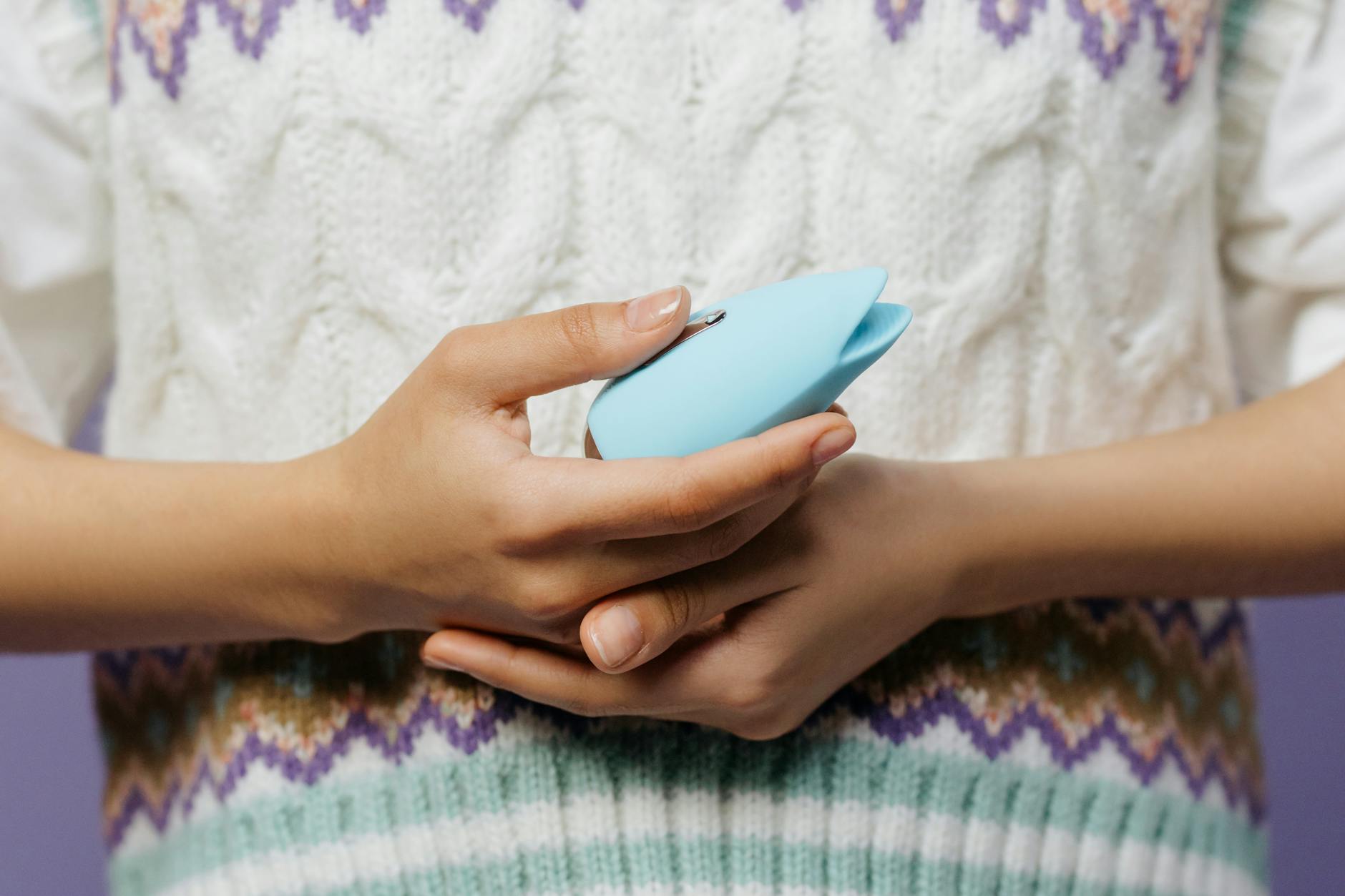
A lemon clitoral vibrator is built for this exact reset. It's designed to provide sensations your fingers and your partner's body simply can't replicate. The consistent suction pressure of a device like the Lem creates a stimulation pattern that's fundamentally different from what you've been experiencing for years. This difference is the whole point.
Here's the protocol I recommend:
Spend 2-3 weeks using the lemon vibrator solo with zero performance pressure. Not with your partner in the room. Not as foreplay before sex. Just you, exploring what feels intense again. Set a timer for 20-30 minutes and actually pay attention to your own response. Notice where pleasure concentrates. Notice what patterns make your breath change. Notice what speed actually gets you there versus what you've been doing on autopilot.
This isn't selfishness. This is recalibration.
What Changes When You Prioritize Your Own Sensation
Something shifts when you spend time intentionally focused on your own pleasure. Your nervous system wakes up. Orgasms stop feeling like a checkbox and start feeling like something you're actually chasing.
The lemon suction design is particularly effective here because it doesn't require the kind of direct friction that can feel numb after years. Suction stimulates the thousands of nerve endings around and beneath the clitoral tissue without the flattening sensation that direct vibration sometimes creates. After long-term partnered sex, this feels novel enough that your brain actually pays attention again.
Many people report that using a lemon vibrator solo brings back intensity they thought was permanently gone. Not because their body changed, but because they stopped treating arousal like a duet and started treating it like a solo performance. Once you remember what that feels like, you bring that intensity back into your partnered experience.
Introducing the Vibrator Into Partnered Sex
Now the partnership part. After you've had solo time with the lemon vibrator and rediscovered what intensity feels like, the conversation with your partner becomes different.
Instead of "I want more pleasure" or "Sex feels boring," you're saying something more specific: "I found something that helps me feel more sensation. I want to explore this with you." That's a collaboration, not a criticism.
Start by using the vibrator during foreplay while your partner watches or touches you elsewhere. They can focus on your neck, your breasts, your inner thighs while you use the lemon vibrator. This breaks the pattern of synchronized stimulation. Your partner is doing one thing. You're creating another sensation simultaneously. Your nervous system has to integrate multiple inputs, which triggers arousal in a way single-source stimulation doesn't.
Then, once you're highly aroused, incorporate the vibrator into partnered penetration (if that's part of your sex). The sensation combination of internal and clitoral stimulation creates an intensity that's genuinely difficult to achieve without a device. You'll likely orgasm differently. Faster. Harder. In a way that surprises both of you.
The Conversation That Actually Helps
The reason this works in long-term relationships is that it shifts the narrative. Instead of "Something's wrong with our sex" or "I'm not attracted to you anymore," the story becomes "I want to feel more. I want us to explore this together. Your pleasure matters, but so does mine."
Many long-term couples have never had a conversation where one partner explicitly says that their own sensation needs attention. Not as an accusation. Just as fact. A lemon vibrator makes that conversation easier because you're pointing at the device, not at your partner's technique. The device is the third party. The device is the solution. Your partner becomes your ally in using it, not the problem being highlighted.
If your partner is hesitant, that's normal. Walk them through what you've noticed about your own pleasure. Explain that intensity is something you want to reclaim together. If they're worried they won't be enough, that's something to address directly: you're not replacing them. You're expanding what pleasure can feel like for both of you.
Why Lemon Vibrators Specifically Work for This
There are a lot of clitoral vibrators on the market. The lemon design has specific advantages for long-term couples rediscovering intensity.
The suction mechanism targets the clitoral network differently than traditional vibration. It creates a gentle negative pressure that pulls blood into the area, increasing sensitivity. For people whose sensation has flattened over years of the same stimulation, this feels noticeably different. Novelty is what wakes up arousal. Difference is what your nervous system pays attention to.
The device is also compact and responsive. You can use it at different angles, different intensities, different rhythms. Instead of getting used to one fixed pattern, you're continuously adjusting. That adjustment requires attention. Attention is the enemy of habituation.
Building a Practice That Sustains Intensity
After you've introduced the lemon vibrator and experienced what better orgasms feel like, the goal is making this sustainable. Not turning it into a new routine you get bored with.
Use it 1-2 times per week solo, but vary the context. Sometimes in the morning. Sometimes before sleep. Sometimes in the afternoon. Change is what keeps arousal alive. Variability is the antidote to habituation.
With your partner, use it sometimes during foreplay, sometimes during sex, sometimes solo while they're nearby doing something else. Let it be flexible. Let it be surprising. The moment it becomes another predictable part of your rhythm, you've just created a new habituation cycle.
This is also a good time to reconnect emotionally with your partner. Intensity isn't just physical. It's born from genuine presence. If resentment has built up over years of routine sex, no device fixes that. But used alongside actual emotional work, a lemon vibrator becomes a catalyst for rediscovering what attracted you to each other in the first place.
Managing Expectations
Here's what won't happen: this doesn't magically fix a struggling relationship or create desire where there genuinely isn't any. If you're bored because you've genuinely outgrown your partner, a vibrator isn't the answer. Therapy and honest conversation are.
But if you're bored because the routine has flattened sensation and nobody's really paying attention anymore, a lemon vibrator genuinely resets the nervous system. It creates novelty. Novelty brings back intensity. Intensity reminds you why you wanted this person in the first place.
That's the real magic. Not the device. The reminder that pleasure is still available to you, and that reclaiming it doesn't require leaving the relationship. It just requires being willing to feel something new inside something familiar.
FAQ
How long does it take to feel a difference in orgasm intensity after using a lemon vibrator?
Most people notice a shift in sensation within the first 2-3 solo sessions. You'll feel the stimulation is different right away. The orgasms themselves often take 1-2 weeks of regular use before you experience noticeably stronger intensity. Consistency matters more than frequency. Using it three times per week is more effective than once.
Can using a lemon vibrator make partnered sex feel less satisfying by comparison?
Temporarily, yes. Your partner's touch will feel softer or less intense than the lemon vibrator initially. That's normal sensory contrast. Over 2-3 weeks, your nervous system recalibrates and finds appreciation for both. The vibrator and your partner offer different things. The goal isn't to prefer one. It's to enjoy both for what they are.
Should I introduce the vibrator during a conversation or surprise my partner with it during sex?
Always have a conversation first. Even a brief one. "I want to explore using a toy together. I've found something that helps me feel more sensation. Would you be open to trying this?" Surprises work better in movies than in actual intimacy. Your partner deserves to know what's coming so they can get curious instead of defensive.
What if my partner thinks the lemon vibrator means they're not enough?
This is incredibly common and worth addressing directly. Reassure them that sexual pleasure isn't a finite resource. Using a vibrator doesn't mean your partner is inadequate. It means you want to feel more, together. Many partners actually feel relieved to learn what helps their partner feel better. They often want to be part of making that happen.
How do I keep the novelty from wearing off again after a few months?
Variation is everything. Change when you use the vibrator, where you use it, what patterns you try, whether your partner is involved or nearby. The moment it becomes "Tuesday night, same sequence" you've reintroduced predictability. That's when habituation creeps back. Stay intentional about mixing it up.
Is a lemon clitoral vibrator safe to use long-term in a relationship?
Absolutely. It's designed for repeated use. Battery life is solid. The silicone is body-safe. The real consideration is hygiene: clean it before and after each use. Long-term use doesn't cause nerve damage or reduced sensitivity, despite what you might hear. If anything, regular intentional stimulation can increase sensitivity over time.