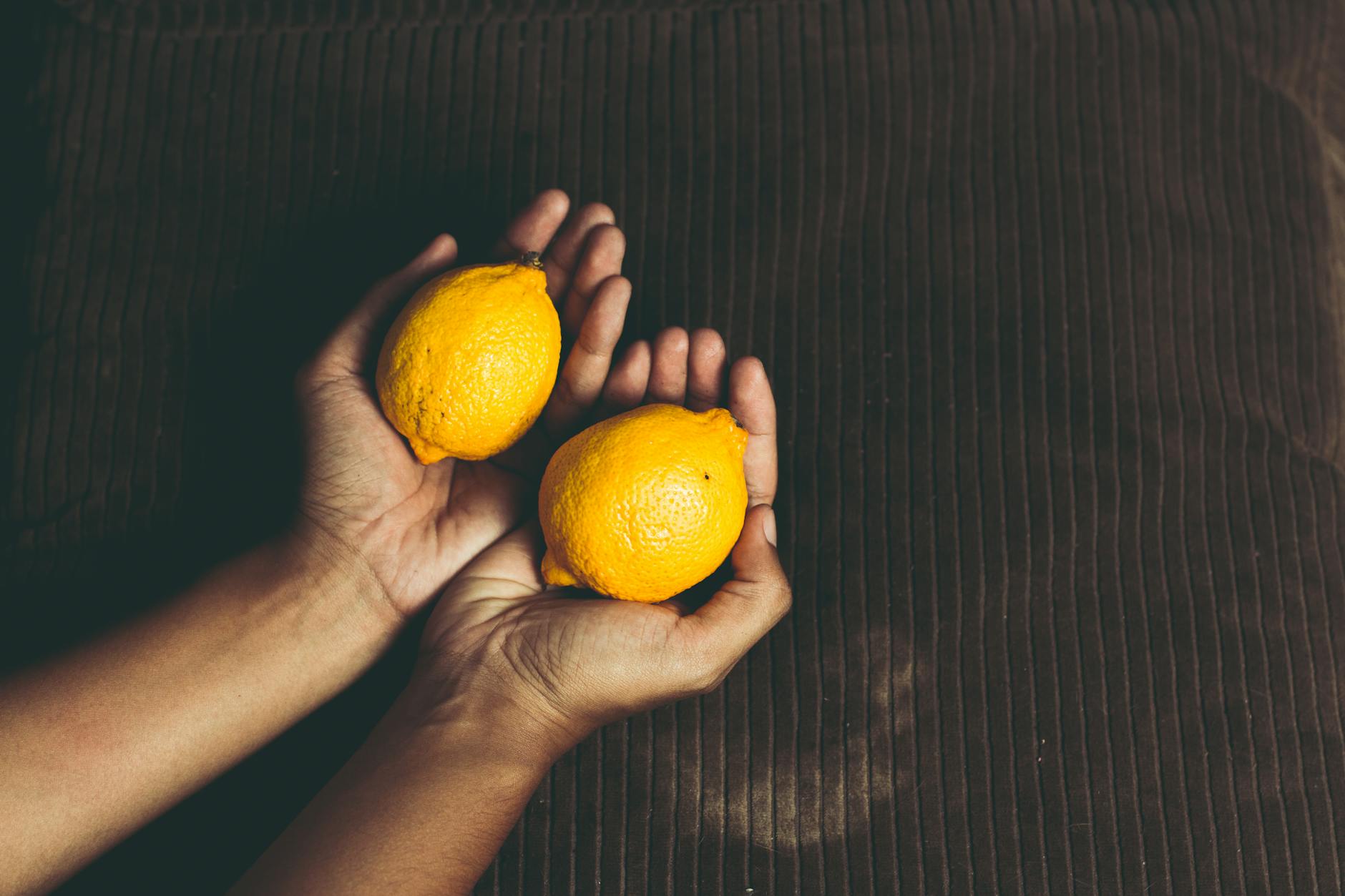
Here's the thing about tender skin and pleasure
Tender tissue doesn't mean you don't deserve sensation. It means the tools and approach you've been using might not be a fit anymore. Direct vibration on sensitive or inflamed skin can feel sharp, stinging, or downright painful. That's not pleasure being off the table. That's the wrong delivery method.
A Lemon vibrator's suction design works differently than a traditional clitoral vibrator. Instead of pressing directly into tender tissue, it creates a gentle pull that stimulates the nerve endings without the friction or pressure that makes sensitive skin flinch. The result? Pleasure that feels accessible again.
Why tender skin changes everything
Tenderness happens for lots of reasons. Post-procedural healing from vaginal treatments. Dermatological conditions like lichen sclerosus or eczema affecting the vulva. Yeast infections that leave tissue raw. Hormonal shifts that thin and irritate the skin. Even anxiety and stress can trigger vulvodynia, a chronic pain condition where the tissue feels constantly tender to touch.
Whatever the cause, the sensation of direct pressure or friction becomes something your body actively avoids. Your nervous system registers the touch as a threat, and arousal locks down. You're not broken. Your body is protecting itself. The answer isn't to push through the discomfort. It's to work with your body by changing the stimulus.
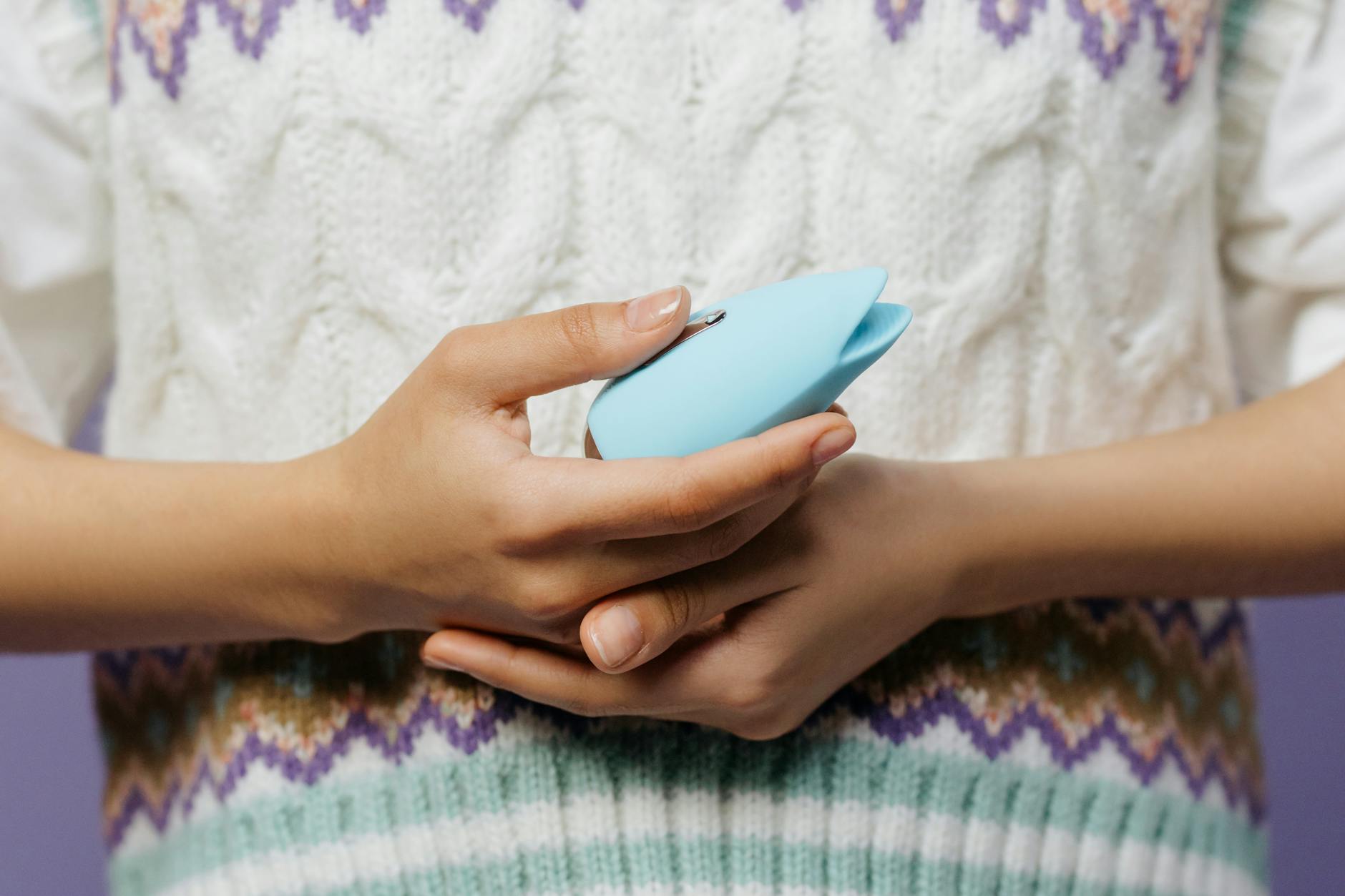
Photo by cottonbro studio on Pexels
How suction stimulation feels different
The Lem's suction technology works by creating rhythmic, gentle pulses that draw the tissue slightly inward rather than grinding against it. Think of it less like a massage and more like a soft, consistent tug. The sensation travels deeper into the tissue, activating nerve clusters that feel pleasurable without the surface irritation of traditional vibration.
This matters because the clitoris has thousands of nerve endings, and many of them respond beautifully to suction without needing direct, sustained pressure. When you're dealing with tender or inflamed skin, suction lets you access those deeper nerves while protecting the surface tissue that's currently sensitive.
Start with the lowest suction level. The Lem has multiple settings, and when your tissue is tender, you're not trying to reach maximum intensity. You're exploring what feels good at a gentle threshold. Most people with tender skin find that patterns one through three on the Lem provide enough sensation to build arousal without triggering pain.
Setting yourself up for comfort
Three practical adjustments make a difference:
Position matters more than you think. When tissue is tender, angle and approach affect how the sensation lands. Some people find that approaching from slightly lower or to the side feels less intense than direct overhead contact. Spend time exploring the angles. What feels harsh head-on might feel perfect from a different approach.
Lubrication is your ally, even with suction. Water-based lubricant creates a gentle buffer between the device and your skin. It also helps the suction cup create a better seal, which paradoxically can feel less intense because the seal is more efficient. A small amount goes a long way. You're not trying to create glide; you're adding a protective layer.
Time and pacing change everything. With tender skin, a thirty-minute session is not the goal. Fifteen minutes of gentle suction at low intensity often produces better, more sustainable pleasure than forcing yourself through pain for longer. Build arousal slowly. If tenderness flares, stop and return to it another day. Your pleasure isn't a deadline.
When to use it with a partner
If you're exploring this with someone, the conversation is bigger than the device itself. Tender tissue often arrives alongside frustration, embarrassment, or disconnection. Your partner might feel rejected if sex becomes off-limits. You might feel broken or unsexy.
Reframe this together: using a Lemon vibrator isn't a workaround for "real" pleasure. It's the thing that opens pleasure back up. Watching your partner use a tool that lets them experience sensation safely is often deeply connecting for both people. The focus shifts from penetration or traditional friction to your genuine pleasure, which tends to deepen intimacy when both people are actually invested.
Consider using the vibrator during partnered foreplay before any other contact. Build arousal with the Lem in a way that feels safe, then see what else feels accessible from there. Often, bodies that are already aroused and relaxed handle other kinds of touch much better.
Managing flare-ups and setbacks
Some days tender skin flares. Hormonal shifts, stress, or just inflammation can make even gentle suction feel sharp. That's not failure. That's information. On those days, you might skip sensation altogether or dial back to the absolute lowest setting with extra lubricant.
Keep a simple log: when you use the vibrator, what setting, and how your skin feels the next day. Over weeks, patterns emerge. Maybe you notice that using it three times a week keeps inflammation stable, but daily use causes flare-ups. Maybe you discover that certain times of your cycle are kinder to your tissue. This data helps you work with your body instead of guessing.
The psychological piece
Tender skin often becomes a source of shame or grief. You might mourn the sex life you used to have. You might worry that your partner will leave. You might internalize the idea that your pleasure isn't worth the effort anymore.
Here's what I tell my clients: pleasure is not a luxury you lose permission to have because your body changed. It's a core part of being alive and feeling good. A Lemon vibrator, designed specifically to work with sensitive tissue, isn't a compromise. It's an invitation to stay connected to yourself and your partner in ways that actually work now.
When to see someone
If tenderness persists beyond a few weeks, escalates, or comes with discharge, bleeding, or systemic symptoms, see a gynecologist. Dermatological conditions, infections, or hormonal imbalances sometimes need professional treatment. A good vulvovaginal specialist can rule out treatable causes and offer options. Topical treatments, systemic therapy, or pelvic floor physical therapy sometimes resolve tenderness within weeks.
Until then, or alongside treatment, exploring what feels good with tools like a Lemon vibrator keeps you in the game. Pleasure doesn't have to be on pause while you heal.
FAQ
Can I use a Lemon vibrator if my skin is actively inflamed or raw?
Not yet. If your tissue is freshly irritated, raw, or bleeding, rest comes first. Let it calm down for a few days. Once the acute inflammation settles and the surface heals, suction-based stimulation often feels much better than direct vibration would. When you're ready, start at the lowest setting with plenty of lubricant.
Does water-based lubricant help with the suction seal?
Yes. A light layer of water-based lubricant actually helps the suction cup create a better seal, which can make the sensation feel more controlled and less intense. Silicone-based lubes don't work with silicone toys, so stick to water-based for the Lemon vibrator.
What if the lowest setting still feels too intense?
You have options. Hold the device slightly further from your tissue so the suction pull is lighter. Use the vibrator through a thin cloth layer initially to buffer the sensation. Or try positioning it in a way that distributes the suction across a wider area instead of concentrated directly. Your clitoris is bigger than the visible part, and suction spreads the stimulus around.
Can tender skin improve, or is it permanent?
It depends on the cause. Infections and post-procedure tenderness usually resolve within weeks. Hormonal-driven sensitivity often improves with treatment or time. Some dermatological conditions are chronic but manageable with the right approach and tools. See a specialist to understand your specific situation. Many people find that their tissue becomes less reactive once they're back to regular, gentle pleasure.
Is suction-based stimulation different from regular vibration in terms of how it affects healing?
Yes, meaningfully. Suction creates gentle pulling and release without the grinding friction that traditional vibration produces. This makes it gentler on healing tissue while still activating nerve pathways that create pleasure. It's why many people with tender skin find a Lemon clitoral vibrator more comfortable than traditional vibrators.
How do I know if I'm ready to try a Lemon vibrator after an injury or procedure?
Wait until the acute pain has passed and basic touch no longer causes sharp sensations. You should be able to apply gentle pressure with your finger without flinching. Start there. If that feels okay, try the Lem on the absolute lowest setting with lubricant. Go slow. Your body will tell you if it's ready.
You deserve this
Tender skin changes your approach to pleasure. It doesn't end it. A Lemon vibrator, designed with suction instead of aggressive vibration, lets you experience sensation without pressure. That's not a lesser version of pleasure. For many people dealing with tender tissue, it's the version that actually works.