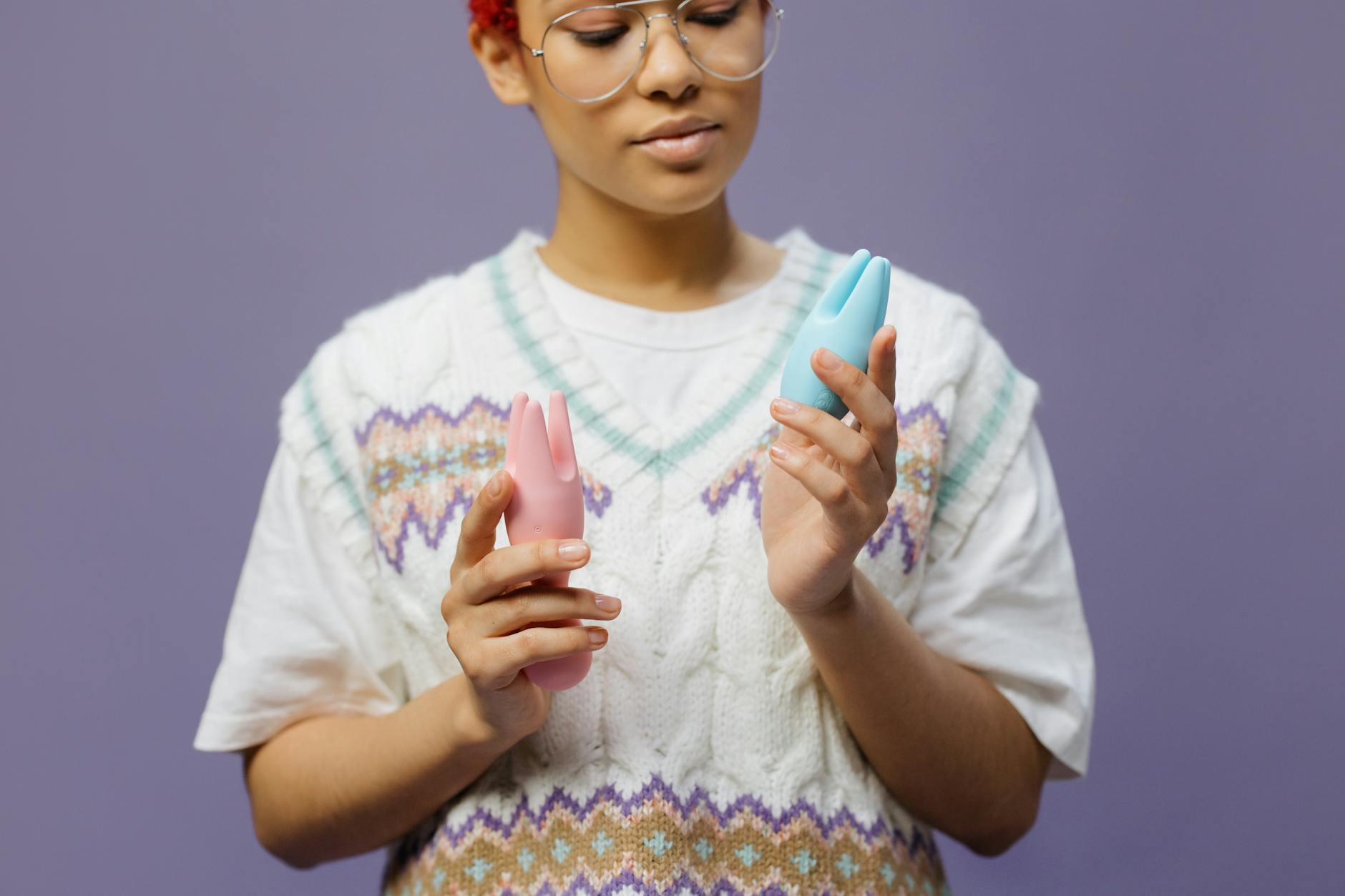
The endometriosis and pleasure paradox
Let's be real. Endometriosis creates a body that says yes and no at the same time. Pain becomes unpredictable. Arousal gets complicated. And the idea of using a vibrator feels risky because you never quite know what your pelvis is going to do on any given day.
But here's what nobody tells you: clitoral pleasure and pelvic pain are not the same neural pathway. A lemon vibrator works differently than penetration does. And for a lot of people with endometriosis, clitoral stimulation can be not just safe, but genuinely restorative. Not despite the endometriosis. Because of how you learn to work with it.
Why endometriosis changes the sensation equation
Endometriosis causes tissue that normally lines the uterus to grow outside it, usually in the pelvis. This creates inflammation, scar tissue, and nerve hypersensitivity. Your pelvic floor tightens in response (protective tension). Your central nervous system gets primed to expect pain. And your clitoris, which is packed with nerve endings but structurally separate from the uterus and affected tissues, still works. It just works in a body that's learned to brace.
The key distinction: endometriosis pain is typically deep, aching, cramping, or sharp around the pelvic organs. Clitoral stimulation is localized, external, and doesn't engage the inflamed areas. They're operating in different zones.
That said, if you're in a flare cycle, even external touch can feel too much because your nervous system is in high alert. Timing matters. Sensation matters. Pressure matters.
The right patterns and settings for endo bodies
If you're using a lemon clitoral vibrator and you have endometriosis, start here.
Pattern selection: Skip the intense, rapid-fire rhythms. The Lem's gentler, wave-like suction patterns work better than jackhammer modes because they don't create the sustained tension that can trigger cramping. Pattern 1 or 2, not 5 or 6. You're looking for stimulation that feels like touch, not percussion.
Pressure and placement: Light contact only. The Lem's suction design means you don't need to press hard to feel something. In fact, over-pressing can activate pelvic floor tension. Rest it lightly against your clitoris, not gripping. Your pleasure shouldn't require effort.
Duration: 10 to 15 minutes maximum when you're in a flare. On lighter days, you can go longer, but watch for that moment when pleasure starts to feel like building tension in your lower belly. That's your signal to stop. Orgasm should feel like release, not like you've triggered a cycle.
Timing and the cycle question
Your menstrual cycle, if you have one, affects endometriosis pain patterns significantly. Some people find that clitoral stimulation is fine in the follicular phase (first half of the cycle) but risky during ovulation or the luteal phase when inflammation tends to spike.
Other people find the opposite: that gentle clitoral pleasure during a flare actually helps calm the nervous system and reduces pain perception, even though the inflammation is still there.
The only way to know is to track. Use a lemon vibrator and note the day of your cycle, your pain level before and after, and how your body responds 24 hours later. One or two data points won't tell you anything. Two months of tracking will.
What to avoid (the hard stops)
Don't use internal penetration if you have endometriosis, even with a toy. The lemon vibrator is clitoral only, which is exactly why it works. Internal stimulation can press directly on endometrial lesions and cause pain or flare symptoms that last for days.
Don't force pleasure on a pain day. If you're in acute pain, the answer isn't to power through with vibration. Rest, heat, and gentle movement are the tools for flare days. Pleasure comes back when the flare subsides.
Don't assume that if something feels good in the moment, it's safe long-term. Endometriosis is tricky. You might feel fine during and great immediately after, then pay for it with cramping that night or the next day. This is why tracking is essential.
The nervous system piece (the part that actually changes things)
Here's what I see in my practice all the time: people with endometriosis develop what's called "central sensitization." Their nervous system has learned to perceive pain as a threat everywhere in the pelvic region. This creates a feedback loop where even anticipation of pain creates tension, which makes pain worse.
Gentle, predictable clitoral pleasure interrupts that loop. It tells your nervous system that pelvic sensation can also mean safety and pleasure, not just pain. Over time, with consistency, this rewires how your body responds to sensation.
The lemon clitoral vibrator's suction design is particularly useful for this because the sensation is distinct from the aching, cramping pain you associate with endometriosis. It's a different signal. Your brain can learn the difference.
Solo sessions versus partnered experiences
If you're exploring clitoral pleasure with a partner, communication becomes even more critical. You need someone who understands that "I'm having pain" doesn't mean "you did something wrong." It means your body is having a flare and the session needs to pause.
For solo use, you have full control, which actually makes it easier to listen to your body. You can start, check in, pause, resume, or stop without negotiating.
Many people with endometriosis report that solo exploration with a lemon vibrator is where they first feel permission to prioritize their own pleasure over pain management. That shift alone is powerful.
When to involve a practitioner
If clitoral stimulation consistently triggers pain, that's worth discussing with your gynecologist or a pelvic floor physical therapist. It's possible that you have significant pelvic floor tension that needs release work first, or that your endometriosis lesions are affecting nerve pathways in a way that makes even external stimulation problematic right now.
Pelvic floor PT is genuinely transformative for a lot of people with endometriosis. It doesn't cure endometriosis, but it can reduce pain and increase your ability to experience pleasure again. Once that foundation is in place, a lemon vibrator becomes much more accessible.
If you're on hormonal suppression therapy (like continuous birth control or GnRH agonists), your arousal and sensation might feel dampened in ways that aren't about the endometriosis itself. That's a separate conversation worth having with your prescriber.
Building pleasure back is not the same as ignoring pain
I want to be clear about something. Using a lemon vibrator when you have endometriosis is not about pushing through pain or pretending it doesn't exist. It's about finding the space where pleasure still lives, even alongside chronic pain.
Some days that space is small. Some months it might not exist at all. That's okay. Your body is doing what it needs to do to survive and heal.
But the days when pleasure is possible, it matters to engage it. Not for a partner, not for performance, not because you "should" feel sexual. But because your body deserves to experience sensations that feel good, and that actually changes your nervous system over time in ways that can reduce pain.
FAQs: Endometriosis, clitoral vibrators, and sensation
Can a lemon clitoral vibrator trigger an endometriosis flare?
Yes, but not in the way penetrative stimulation can. Intense vibration or pressure can activate pelvic floor tension, which creates cramping. Gentle, low-pattern clitoral suction is much less likely to trigger a flare. The key is starting low, tracking your response over 24 hours, and respecting pain signals.
Is it safe to use a lemon vibrator during your period if you have endometriosis?
Most people with endo should avoid any stimulation during their period, especially the first 2-3 days when bleeding is heaviest and pain is typically worst. After that, if you're having a lighter day and pain is manageable, gentle clitoral stimulation can actually help with pain perception. But this is highly individual. Track what happens in your body and adjust.
Should I use lube with a lemon vibrator if I have endometriosis?
You might find that arousal is lower with endometriosis because pain and inflammation reduce blood flow. Water-based lube can help the clitoral vibrator glide without friction and reduces the pressure needed to feel sensation. It's not required, but many people find it helps.
What if clitoral stimulation feels painful with endometriosis?
That's a sign that your pelvic floor is very tight or that your nervous system is in protective mode. Before using a lemon vibrator, consider working with a pelvic floor physical therapist. They can teach you how to release chronic tension, which often opens up the ability to experience pleasure again.
How often can I safely use a clitoral vibrator if I have endometriosis?
There's no universal answer, but most people benefit from every other day or less frequently. This gives your nervous system time to integrate the pleasure signal and prevents overstimulation. Listen to your body. If you notice that pleasure becomes harder to feel or pain increases, take a break.
Can using a lemon vibrator help reduce endometriosis pain long-term?
Not directly. A lemon clitoral vibrator won't treat the endometriosis lesions or inflammation. But it can help rewire your nervous system's pain perception and reduce the protective tension that makes pain worse. That's a meaningful shift, even if the underlying condition remains.
The bottom line
Endometriosis makes pleasure complicated. It doesn't make it impossible. A lemon clitoral vibrator, used thoughtfully, respects both your pain and your right to experience sensation that feels good. Start gentle, track your response, and adjust as your body tells you what works. Your pleasure matters, even when you're managing chronic pain.