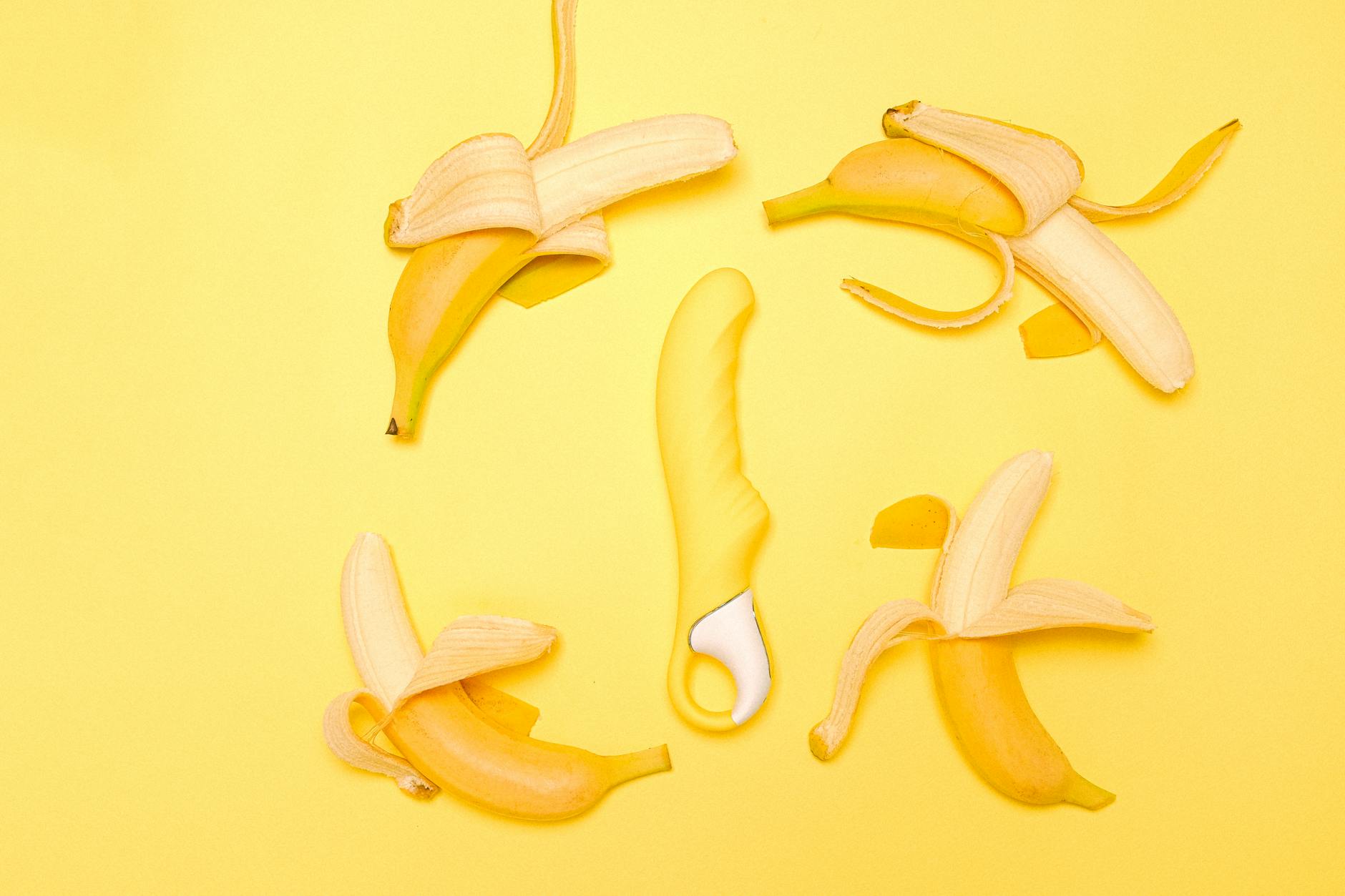
Let's start with the thing nobody says out loud
Thin vaginal tissue is common. It's also treatable. And it doesn't mean your body is broken or that sensation has to disappear. What it does mean is that the texture, depth, and intensity of pleasure shift. A lemon clitoral vibrator like the Lem works differently on fragile tissue because it bypasses penetration entirely and focuses on what actually matters: your clitoris.
Here's what I see clinically: most people with tissue thinning think the problem is arousal or desire. It's usually neither. The problem is that friction that used to feel good now feels uncomfortable. Air-suction devices, by design, don't create friction. They create negative pressure. Different mechanism, completely different experience.
Why thin vaginal tissue happens
Vaginal atrophy (also called genitourinary syndrome of menopause, or GSM) shows up for three main reasons. First, estrogen drop after menopause or surgical removal of the ovaries. Estrogen keeps vaginal tissue thick, elastic, and lubricated. Without it, the tissue becomes more fragile.
Second, extended low-estrogen states. This includes hormonal birth control, breastfeeding, chemotherapy, and certain medications. The clitoral tissue can thin even if you're not menopausal.
Third, reduced blood flow. If you haven't had much sexual activity for months or years, the tissues atrophy from disuse. It's like a muscle. It needs circulation to stay robust.
The good news: all of these are reversible or manageable. Topical estrogen cream works. So does regular sexual activity. And the right tool makes activity both safer and more pleasurable.
What changes when tissue gets thin
Four things shift physiologically. First, the vaginal wall loses thickness. This means penetrative sex can feel scratchy or painful, even with lubrication. Second, the clitoral hood thins, which sounds bad but actually makes the clitoris slightly more accessible to stimulation. Third, lubrication decreases because the tissue can't produce as much. Fourth, the tissue becomes more prone to micro-tears, which means you need to be intentional about avoiding rough friction.
Here's what doesn't change: the nerve density in your clitoris. The neural pathways for pleasure. Your capacity for orgasm. A lemon vibrator targets that unchanging part. It's why so many people with thinned tissue report that clitoral-only devices like the Lem feel more satisfying than they ever did before.
Why a lemon vibrator works better on thin tissue
A traditional vibrator creates vibration against skin through friction. If your tissue is fragile, repeated friction can feel abrasive or even cause irritation. A lemon clitoral vibrator, particularly one using suction technology, works through a completely different mechanism. It creates gentle waves of pressure and release. No friction. No scraping. Just soft, consistent stimulation.
The suction also increases blood flow to the clitoris, which means more natural lubrication and more sensitivity. This is especially valuable if your tissue is thin because improved circulation can actually help tissue recovery over time with repeated use.
Add in the fact that the Lem is designed specifically for clitoral stimulation, and you get more direct, efficient pleasure with less effort and zero risk to delicate tissue.
How to set yourself up for success
Start with lubrication, even if you think you don't need it. With thin tissue, using a good water-based lube isn't optional. It protects the tissue and makes the entire experience feel less rushed. Apply generously to the external area and the outside of the device.
Second, start at the lowest setting. The Lem has multiple patterns and intensities. Begin at setting one. You can always turn it up. You can't un-stimulate tissue that's become irritated. Let yourself explore the gentler patterns first.
Third, keep sessions shorter than you might expect. Twenty to thirty minutes is ideal, not sixty. Your tissue needs recovery time between sessions, especially if you're new to sensation with thinned tissue. Most people find that two to three sessions per week is the sweet spot.
Fourth, avoid direct penetration if that's been uncomfortable. A lemon clitoral vibrator removes that question entirely. You're focusing purely on external stimulation, which means no pressure on the vaginal wall.
The warm-up that actually matters
Longer foreplay isn't just nice. It's essential. When tissue is thin, it takes longer for blood to engorge the clitoris and increase sensitivity. Budget fifteen to twenty minutes of non-vibrator stimulation before you bring in the Lem. Touch, kissing, your hands, maybe a partner's hands. The goal is to get the clitoris slightly aroused and plump before the vibrator touches it.
This warm-up also gives you time to notice whether the tissue feels tender or reactive that day. If it does, you have the option to slow down or stop. Many people with thin tissue find their comfort level fluctuates slightly day to day depending on hydration, stress, and where they are in their cycle or hormone replacement schedule.
What to do if sensitivity feels off
If you feel sharp pain, stop immediately. Thin tissue can sometimes tear without you realizing it in the moment. Sharp pain is a signal to pause and reassess. Rest for a few days, then try again with even more lubrication and lower intensity.
If the area feels sore or tender the next day, you went too intensely. Dial back the intensity and duration next time. Mild soreness sometimes happens, especially when you're first building sensation back. It should resolve within twelve hours.
If numbness is happening, that's a sign you need to work with lubrication and intensity. Usually this means the tissue is becoming irritated from friction or pressure, and the body is numbing the area as a protection response. Pause for a few days.
If you feel burning or itching, especially hours after use, that might signal a micro-tear or irritation. Again, rest, and consider whether you need more lubrication or lower intensity next time.
When to bring in topical treatment
If sensation remains difficult after adjusting your technique with a lemon vibrator, talk to your doctor about topical estrogen cream. DHEA suppositories are another option. These are not systemic treatments. They're low-dose, local applications that rebuild the tissue itself. Many people use them alongside pleasure devices for the best results.
The combination works like this: the topical treatment rebuilds tissue thickness and elasticity over eight to twelve weeks. During that time, gentle use of a lemon clitoral vibrator keeps blood flowing and reminds the tissue how to respond to stimulation. By the time the tissue has recovered, you've also rebuilt the neural pathways and the confidence that sensation is possible.
The emotional side that nobody talks about
Thin vaginal tissue often arrives packaged with shame, which is useless and worth examining. Many people internalize tissue thinning as a sign their body is broken or undesirable. It's neither. It's a normal response to hormonal shifts or medical treatment. It's treatable. And your pleasure matters exactly as much now as it did before.
The other emotional piece is permission. If you've had uncomfortable experiences with penetration, you might unconsciously avoid all sexual activity. A lemon clitoral vibrator gives you a way back in without that pain. You're not avoiding. You're choosing a path that feels better. That's not settling. That's being wise.
Many partners also need reassurance. If you're with someone, it helps to say: this isn't about you. This is about my tissue and what my body needs right now. Using a device is not a replacement for partnered sex. It's a tool that makes partnered sex possible again.
FAQ: Common questions about thin tissue and lemon vibrators
Will using a lemon vibrator make my thin tissue worse?
No, the opposite. Gentle, regular stimulation with appropriate lubrication actually improves tissue health by increasing blood flow. The key word is gentle. Using a lemon clitoral vibrator at high intensity every day might cause irritation. Using it two to three times per week at low to medium intensity helps tissue recover and rebuild.
Can I use my lemon vibrator with a partner?
Absolutely. Many people find that external stimulation from a device during partnered sex reduces pressure on delicate internal tissue while increasing clitoral pleasure. You can use it solo to build sensation and confidence, then incorporate it into partnered activity when you're ready.
How long does it take before thin tissue feels normal again?
It depends on the cause. If you're using topical estrogen cream, most people see improvement in four to eight weeks. If you're just using a lemon vibrator and lubrication without medical treatment, it's slower but still possible. Six to twelve weeks of consistent, gentle use often rebuilds enough sensitivity that sensation returns to something closer to baseline. Some people need longer.
Is there a pattern on the Lem that's best for thin tissue?
Start with the gentler, slower patterns. Avoid high-frequency vibration initially because it can feel abrasive. Many people with thin tissue prefer suction or pulse patterns over steady vibration. Experiment at low volume and find what feels nurturing rather than intense.
Should I use the same lube with my lemon vibrator every time?
Consistency helps. A good water-based lube without warming or cooling ingredients is ideal for thin tissue. Silicone-based lubes feel richer but can damage silicone toys. Stick to water-based, and reapply during longer sessions if sensation starts to feel dry.
Can thin tissue get thicker again without medical treatment?
Yes, but it takes longer. Regular sexual activity (alone or with a partner) combined with consistent use of a lemon vibrator and good lubrication can slowly rebuild tissue over several months. Medical treatment speeds this up significantly. For many people, combining a lemon clitoral vibrator with topical estrogen is the most efficient path.
The bottom line
Thin vaginal tissue is real, it's common, and it's completely manageable. Your pleasure doesn't have to disappear. It just has to adapt. A lemon vibrator is designed for clitoral stimulation, which means it sidesteps the fragile internal tissue entirely and focuses on what matters: sensation, connection, and orgasm. Add proper lubrication, start low, and give yourself permission to take your time. Your body knows how to feel good. Sometimes it just needs the right tool and a little patience.