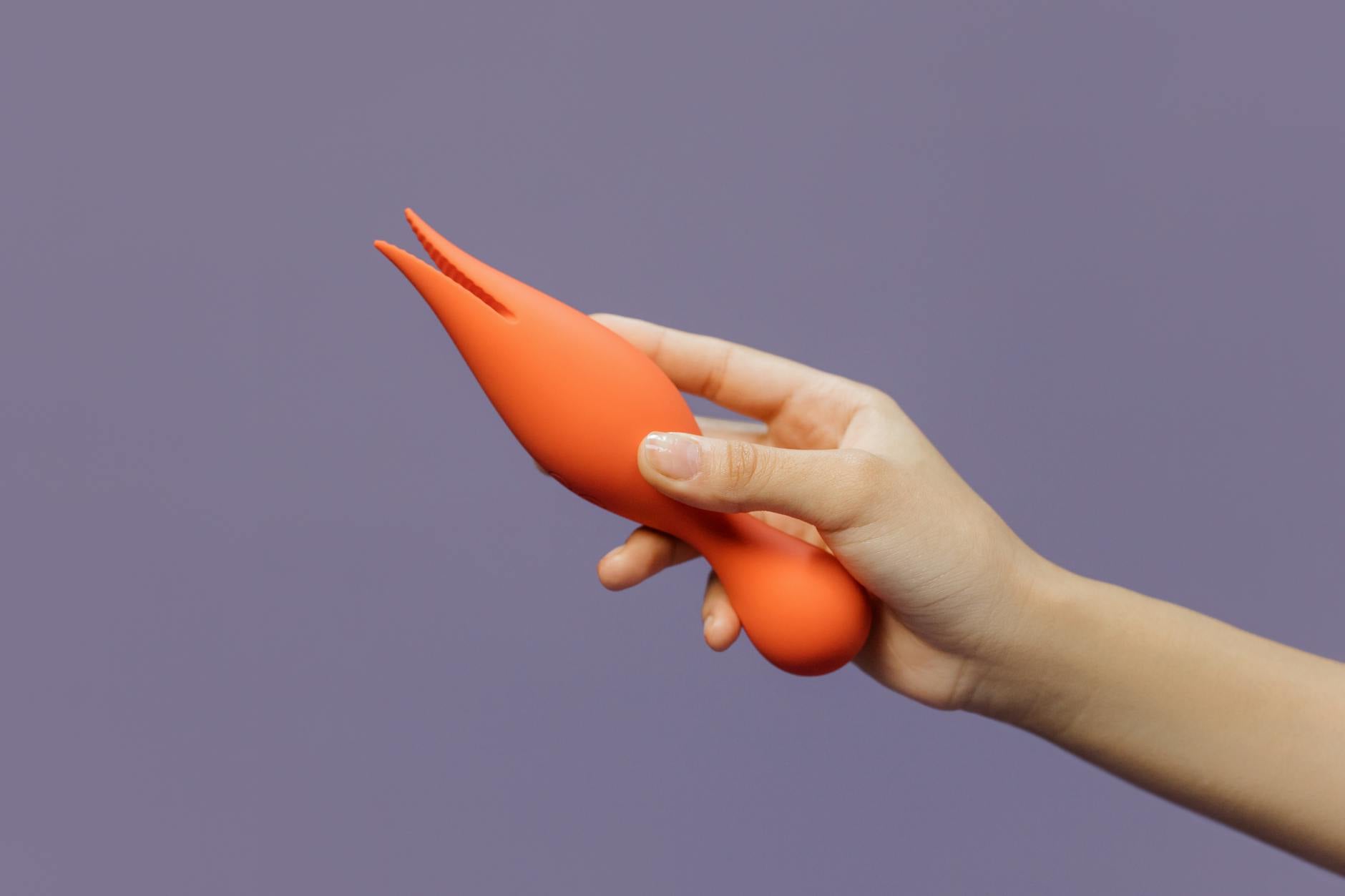
The anxiety-arousal shutdown is real
Let's be real. Anxiety doesn't just make sex feel stressful. It actively prevents arousal from happening at all. Your nervous system gets stuck in fight-or-flight, your blood pressure rises, and the parasympathetic activation needed for desire literally can't happen. You end up in your own head, disconnected from your body, waiting for something to feel good when your brain is essentially telling your body that danger is everywhere.
This isn't a willpower problem. It's neurobiology. And it's wildly common.
Why anxiety crashes arousal so effectively
When you're anxious, your sympathetic nervous system (the accelerator) is floored. Arousal requires the opposite. It needs your parasympathetic nervous system (the brake) to be in charge. These two systems can't run at the same time, which is why anxiety and desire are essentially incompatible.
This happens in a few specific ways:
Your brain can't focus inward. Arousal requires interoception, which is your brain's ability to sense what's happening inside your body. Anxiety scatters that attention outward. You're monitoring for threats, replaying conversations, worrying about performance. You're literally not present in your own body.
Blood vessels constrict. Anxiety triggers vasoconstriction. That means less blood flow to the genitals, which means slower arousal buildup and less sensation. Your body is physically designed to prioritize survival over pleasure in this moment.
Your pelvic floor tenses up. Anxiety creates a protective tension in the pelvic floor. Many people don't realize they're bracing themselves. That clenching makes everything feel tighter, more uncomfortable, and less receptive to touch.
Why a lemon vibrator can interrupt the cycle
Here's where external stimulation becomes genuinely useful. When your brain won't get you there, your lemon vibrator can bypass the mental block and speak directly to your nervous system.
The key is that a lemon clitoral vibrator provides what's called "bottom-up" arousal. Instead of waiting for your mind to generate desire (which anxiety is actively blocking), you're using physical sensation to signal to your nervous system that safety is available. The suction pattern on the Lem, in particular, works because it's different from anything else. It's novel, it's specific, and it doesn't require you to be in a particular mental state to feel it.
When your clitoris receives sustained, predictable stimulation, something shifts. Your nervous system starts to downregulate. The sensation is so clear and present that your anxious thoughts recede into background noise. You're not pushing desire away. You're giving your body something more interesting to pay attention to.
Starting when you're still in the anxious zone
Don't wait until you feel calm. Wait until you're willing to try.
Sit somewhere private where you won't be interrupted. No time limit. If you have 8 minutes, that's enough. If you have 35, use them. The point is there's no audience and no schedule.
Start with the Lem on a low intensity level (pattern 1 or 2). You're not trying to orgasm. You're not trying to feel aroused in the conventional sense. You're just introducing sensation and seeing what happens.
Many people find that anxiety actually softens the moment they start using the lemon vibrator. Something about the physical input is grounding. It gives your nervous system permission to stop scanning for problems. You're focused on sensation. That's the entire task.
The rhythm that works when your brain won't cooperate
When anxiety is present, sustained patterns work better than constant switching. Keep the lemon sexual toy on the same setting for at least 3-5 minutes before changing intensity. Your nervous system needs time to adjust and settle.
If you're distracted, return to the sensation. Not in a forceful way. Just notice. What does this feel like right now. What changes as your body warms up. Where is the sensation strongest. These questions anchor you back into your body instead of your worried thoughts.
Some people find that combining the lemon vibrator with breathwork helps. Slow exhales tell your nervous system it's safe. Try breathing in for a count of four, holding for four, exhaling for six. The longer exhale signals calm. Do this while using your toy and many anxious people report that the combination actually works to shift their state.
Using a lemon vibrator with a partner when anxiety is in the room
If you're with someone, it's worth being honest about what's happening. "I'm in my head today" or "My nervous system is activated" tells your partner what you need instead of leaving them to guess.
Let them know that you're using the lemon vibrator precisely because you want to stay connected but your anxiety is in the way. Many partners actually find this relieving. It takes pressure off them to "fix" your arousal and gives you both something concrete to do.
If you want them to participate, the lemon clitoral vibrator still works. They can hold it, control the pattern, or just be present while you use it. The partnership itself, when there's no performance expectation, is often the part that helps your nervous system settle.
The physical setup that matters
When anxiety is running, your pelvic floor is likely already tense. Before you use the lemon vibrator, try this: consciously relax everything down there. Sounds simple. It's actually harder than you'd think when you're anxious.
One method: squeeze hard for five seconds, then release completely. That contrast helps you understand what relaxation actually feels like. Do this a few times before you start.
Water-based lubricant helps too, not because you need it, but because it reduces friction and means you can use lower intensity settings. Less intensity can feel more manageable when you're already overstimulated by anxiety.
When nothing is working and that's information too
If you use a lemon vibrator consistently and arousal still isn't happening, that's worth paying attention to. Sometimes anxiety is pointing at something else. Relationship stress. Unprocessed grief. Hormonal changes. Burnout. A toy can't fix those root causes.
At that point, talking to a therapist who understands both anxiety and sexuality becomes valuable. They can help you understand whether the anxiety is situational (specific to sex, to a partner, to a particular time) or whether it's a broader nervous system issue that needs other support.
But in the meantime, the lemon vibrator is a legitimate tool for interrupting the shutdown cycle and reminding your body that pleasure is still possible. Use it without judgment. Your nervous system is just trying to protect you. You're teaching it a new language.
Common questions about using lemon vibrators and anxiety
Does using a vibrator make performance anxiety worse if you're with a partner?
Not if you frame it right. Many people actually find that introducing a lemon vibrator removes performance pressure because there's less expectation that partnered touch alone will create orgasm. The toy becomes collaborative rather than a sign of failure. The shift from "why can't my body do this" to "what can we do together" is often the thing that helps anxiety soften.
How often should I use a lemon clitoral vibrator when anxiety is blocking arousal?
There's no rule. Some people find daily use helpful because it breaks the shutdown pattern and rebuilds trust with their own pleasure. Others use it weekly. The nervous system learns best from repetition, so consistency matters more than frequency. If you can use it 2-3 times a week, your brain starts to expect activation instead of shutdown.
Can I use a lemon vibrator for anxiety even if I don't want an orgasm?
Absolutely. That's actually the best approach when anxiety is high. Orgasm isn't the goal. Sensation and nervous system regulation are. Many people find that when they stop chasing orgasm and just focus on sensation, orgasms actually happen. When you're using the lemon sucker tool just to explore and feel, there's no failure state.
Does the lemon vibrator work better than other clitoral vibrators for anxiety?
The Lem's suction pattern is genuinely different from traditional vibration, and many people find that novelty helpful when their nervous system is stuck. That said, what matters most is consistency and finding a pattern that feels good to you. If you like the sensation, you're more likely to use it, and that habit-building is what changes the nervous system response.
What if anxiety makes me uncomfortable with touching myself?
Start smaller. You might use a lemon vibrator without direct touch at first. Press it through clothing. Use it for just one minute. Let your body get used to the sensation before you ask more of yourself. Anxiety often comes with shame, and that shame can make self-touch feel unsafe. The solution is slow, gentle, repeated exposure, not pushing through.
Can a lemon sexual toy help with social anxiety that affects sexual confidence?
Yes, but differently. Social anxiety often shows up as overthinking about how you look, what your partner thinks, whether you're doing sex "right." A lemon vibrator helps because it's about sensation and your own pleasure, not about external evaluation. It rebuilds the neural pathway from "I'm being judged" to "I feel good." That shift matters.