When Grief Kills Your Desire
Let's be real: grief doesn't just affect your mood. It hijacks your nervous system, tells your body that pleasure isn't safe right now, and convinces you that wanting anything physical is somehow disrespectful to the loss you're carrying. Your desire doesn't vanish because you stopped loving your partner or because you're broken. It vanishes because survival mode is in control.
I've worked with clients through the death of parents, the end of marriages, miscarriage, job loss, relocation, illness. The pattern is always the same: touch becomes overwhelming. Desire feels impossible. Even thinking about intimacy can trigger guilt or numbness so profound that sex feels like a betrayal of grief itself.
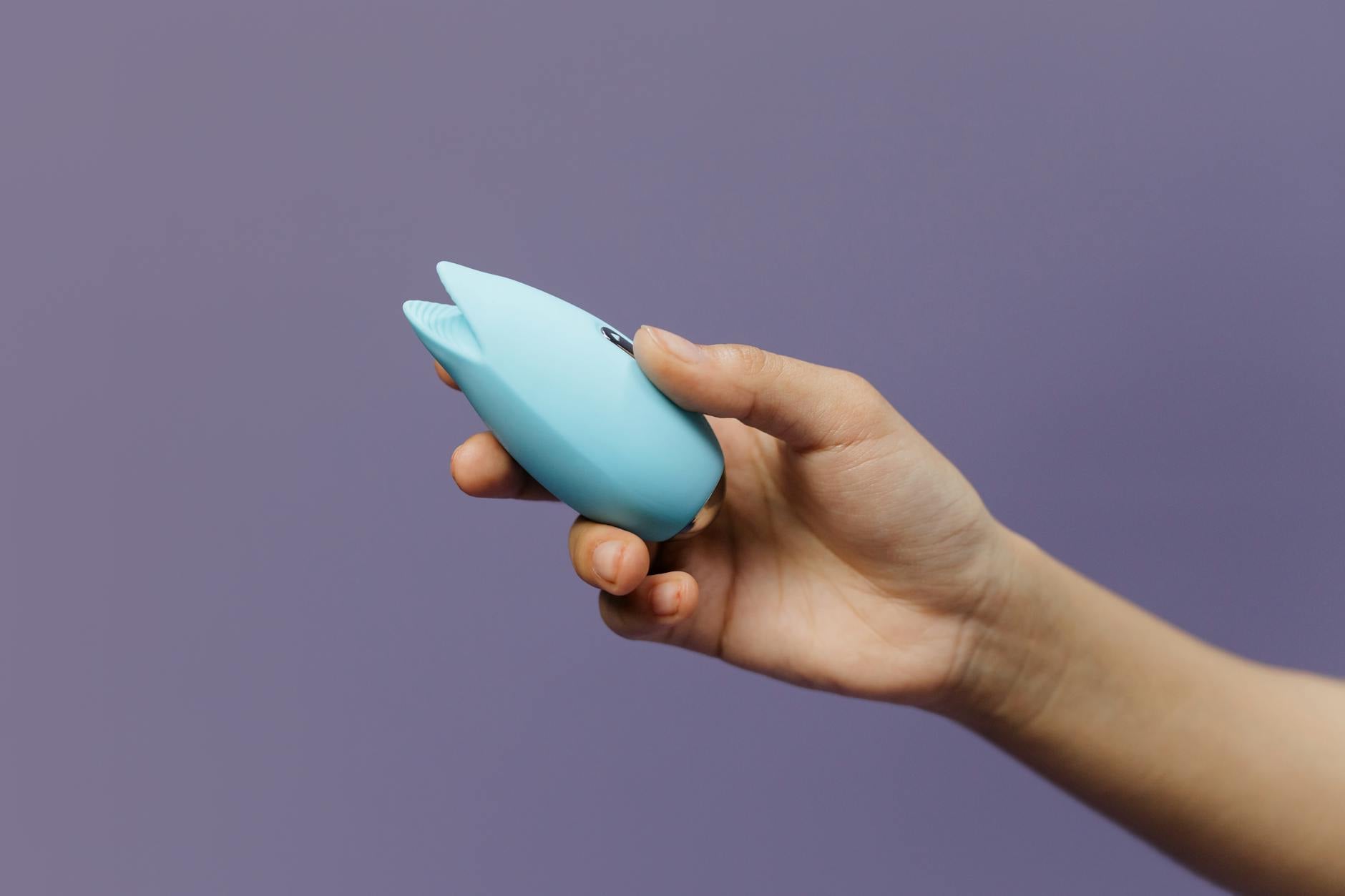
Here's what I know from decades of clinical practice: rebuilding pleasure after loss is not the same as rushing past grief. It's gentler, slower, and it requires tools that don't demand too much too soon. A lemon clitoral vibrator can be one of those tools, not because it "fixes" anything, but because it lets you practice reconnection on your terms, in small doses, without the pressure of partnered sex or the weight of expectation.
Why Grief Numbs Pleasure
When you're grieving, your body is in sympathetic nervous system overdrive. That's the fight-flight-freeze response. Your cortisol and adrenaline are elevated. Blood flow moves away from your genitals and toward your muscles and brain. Arousal requires parasympathetic activation (rest-and-digest mode), and grief makes that almost impossible to access.
Add emotional numbness to the mix, and you've got a double whammy. You don't feel sadness, but you also don't feel pleasure. The same neural pathways that carry joy, connection, and arousal are temporarily offline.
This is not depression (though grief can trigger it). It's a completely normal, protective response. Your body is saying: "I need to focus on surviving this right now. Pleasure can wait." The problem is that weeks turn into months, and many people assume their desire is gone forever.
It isn't.
Starting Small: Solo Exploration Without Pressure
When you're ready to begin reconnecting, solo play is the safest place to start. There's no partner watching. No expectation that you'll "perform" wellness or happiness. No timeline. You get to go at the pace your nervous system allows.
Here's what I recommend: start with your hands first. Spend a week or two just touching your body without the goal of arousal or orgasm. Notice where you can feel sensation without it triggering overwhelm. Your arms, your neck, your inner wrists. Not erotic at first, just present.
When you're ready to introduce a lemon clitoral vibrator like the Lem, use it on the lowest setting initially. Not on your genitals. Start on your inner arm or neck. Let your nervous system get used to the sensation of vibration in a low-stakes area. This is called "pendulation" in somatic therapy language. You're teaching your body that vibration equals safety, not demand.
Building Tolerance Gradually
Grief exhausts your window of tolerance. Your capacity to feel things without becoming dysregulated shrinks. So when you do use a lemon vibrator, shorter sessions are actually more effective than longer ones. Five minutes beats thirty. Consistency beats intensity.
Set a timer. Five minutes. On the lowest pattern. Guided by curiosity, not orgasm. Notice what you feel. If numbness shows up, that's data, not failure. Numbness is your nervous system saying, "I'm still protecting you." Respect that. Stop. Try again in two days.
After about two weeks of five-minute sessions, you can increase to seven or eight minutes. Increase the pattern number only if it feels good, not because you think you should. The goal is to teach your body that pleasure can coexist with grief. Not that pleasure erases grief. Coexist.
When Your Partner is Grieving Too
Here's where it gets complicated. If your partner is also processing loss (or different loss), their timeline won't match yours. One of you will be ready to reconnect before the other. This is normal and painful.
The worst thing you can do is push. The second-worst is shame yourself for wanting intimacy before your partner does. A lemon clitoral vibrator lets you maintain your own sexual and sensory life independently, which actually helps the relationship long-term. It keeps you from building resentment, and it keeps your partner from feeling pressured to perform wellness they don't have yet.
You can tell your partner: "I'm using this alone to reconnect with myself. This isn't about us yet. It's about me remembering that my body can feel good." If you share a bedroom, a vibrator is quiet enough that solo exploration doesn't interrupt their rest.
Reconnecting With a Partner (When You're Both Ready)
When you do decide to invite your partner back into your sensual life, start with presence rather than performance. No goal of orgasm or intercourse. Just your hands and theirs. Talking. Remembering what it felt like to be close without grief doing the directing.
If you want to incorporate a lemon clitoral vibrator into partnered reconnection, let your partner use it on you (or you direct them how to). This has two effects. First, it removes the "you're not enough for me" interpretation that sometimes comes with toy introduction. Second, it keeps your partner engaged and present rather than sidelined.
Start with light, slow use during foreplay. Patterns one or two. Your partner should check in verbally every few minutes. "How's that feel?" Not during, but after certain strokes or patterns. This gives you both permission to go slow and adjust without pressure.
If you're exploring differences in pleasure thresholds with your partner, grief makes this even more important. One of you might need gentler sensation. The other might need more intensity to feel anything at all. A lemon clitoral vibrator is flexible enough to meet both needs because you control the pattern and intensity.
Grief Spikes and Setbacks
You'll have weeks where you're rebuilding nicely, and then a date rolls around (the anniversary of the loss, a birthday, a holiday) and boom. Back to numbness. This doesn't mean you've failed. This means you're human and grief isn't linear.
If you hit a setback, return to the small stuff. Five minutes. Lowest pattern. Hands first if vibration feels like too much. This is not regression. This is responsiveness. Your nervous system is saying it needs more safety, and you're giving it that.
Many of my clients find that solo reconnection with a tool like a lemon vibrator actually strengthens their ability to communicate with partners about what they need during grief. It teaches you your own language of desire. You learn what patterns feel good. What intensity works. When you need to stop. That knowledge is powerful in partnered contexts because you can actually tell your partner what you need instead of waiting for them to guess.
When Grief Becomes Depression
If numbness persists beyond a few months without any periods of relief, if you're losing interest in things you usually enjoy beyond just pleasure, or if you're having thoughts of harming yourself, the issue isn't your lemon vibrator. It's clinical depression, which sometimes follows grief. This needs professional support: a therapist, a doctor, possibly medication. A vibrator can't fix that, and it's important not to let it become a substitute for real mental health care.
Building a Ritual Around Reconnection
One thing that helps is to make solo sensual time feel intentional rather than desperate. Light a candle. Play a song you love. Create a small container around it so your nervous system knows, "This is protected time for me to heal." Some clients I work with journal before or after, just noticing what they felt.
This shifts the frame from "I'm using a toy to force myself to want sex again" to "I'm practicing self-compassion and reconnecting with pleasure as part of my grief recovery." Semantics, maybe, but your nervous system responds to ritual and intention.
The Timeline You're Actually On
Grief recovery takes longer than most people expect. Rebuilding desire after loss can take months or even years, depending on what you're grieving and how it's intersected with your history of pleasure, trauma, or relationship patterns. Be generous with yourself on this timeline.
A lemon clitoral vibrator isn't a shortcut. It's a gentle, controllable way to practice reconnection with your own capacity for sensation. When you've tried different approaches to rebuilding pleasure, you know that what works for rebuilding after loss is usually what feels least forced.
Your desire will return. Maybe it'll look different. Maybe you'll want different things with your partner, or maybe you'll want them differently. But pleasure is not something grief takes away permanently. It just puts it on pause, and your job during that pause is to be patient, kind, and willing to use whatever tools help you feel safe enough to practice reconnection.
If you're walking this path with a partner, consider having the harder conversations with support. A couples therapist who understands grief (not just sex) can help you navigate the different timelines and rebuild intimacy that honors both your losses.
FAQ: Grief, Desire, and Reconnection
Can I use a lemon clitoral vibrator if I'm actively grieving and haven't had sexual desire in months?
Yes, but not as a way to force desire back. Think of it as practicing reconnection with sensation on a very small scale. Start with five minutes on the lowest setting. The goal is just to notice what you can feel, not to achieve arousal. Your nervous system needs safety first. If it feels too overwhelming, stop and try again in a week.
Will using a vibrator alone affect my relationship or make my partner think I don't want them anymore?
Not if you communicate about it. Grief affects partnered sexuality for both people. Solo reconnection work actually helps your relationship long-term because you're managing your own nervous system recovery instead of expecting your partner to fix you. Many couples benefit from this temporary separation of your sensual lives. When you're both ready, you can come back together with more clarity about what you actually want.
How long does it usually take to rebuild desire after a major loss like death or divorce?
Everyone is different, but grief doesn't have a timeline. Many people experience numbness or low desire for 6-18 months after major loss, especially if the loss involved someone they were intimate with. Some take years. The goal isn't to "get over it" quickly. It's to gently rebuild your relationship with pleasure while you're processing grief, and those are separate but connected journeys.
Is it normal to feel guilty about wanting pleasure again after loss?
Completely normal. Many people feel like wanting sex, orgasms, or physical pleasure means they're betraying the person they lost or moving on too fast. This guilt is part of grief processing, not a sign that you shouldn't reconnect with pleasure. You can miss someone and want pleasure at the same time. Both things are true.
What if I try using a lemon vibrator and nothing happens? I feel completely numb.
Numbing during grief is your body protecting you. If after a few attempts over several weeks you're still completely unable to feel anything, it might be worth talking to a therapist or doctor. Persistent numbness sometimes signals depression rather than grief. You don't need to force feeling. You need to understand what your body is communicating and get the right support.
Can my partner use a lemon vibrator on me while we're rebuilding intimacy after grief?
Yes, and it can actually help. Using a vibrator together keeps your partner engaged in your pleasure rather than feeling like they're watching from the sidelines. It also removes the pressure of "am I enough for you?" Start very slowly, with lots of check-ins. Let your partner see it as a tool you're both using to gently rebuild connection, not a sign that they're failing you.
You Don't Have to Rush This
Grief and desire don't follow anyone's timeline but your own. A lemon clitoral vibrator can be a patient, judgment-free companion while you rebuild pleasure at whatever pace your nervous system allows. What matters isn't how quickly you get there. It's that you do get there, gently, without forcing yourself, while honoring the loss you're carrying.