Let's start with what's actually happening
Menopause changes how your body responds to touch. That's not catastrophe. That's physiology. And understanding it is the difference between thinking something's broken and knowing exactly how to work with what you've got.
Hormone shifts reshape tissue, lubrication, and neurological response. But here's what doesn't change: your capacity for pleasure, your ability to orgasm, or your right to experiences that feel good. What changes is the path to get there.
How estrogen loss reshapes sensation
When estrogen drops, vaginal tissue becomes thinner and less elastic. Blood flow to the area decreases. The pelvic floor loses some of its structural support. None of this means sex is off the table. It means the touch that worked at 35 might need a recalibration at 55.
The clitoris itself doesn't shrink or stop working. The nerve density stays the same. But the surrounding tissue is more delicate, which changes how stimulation feels. What once felt pleasantly intense might now feel too sharp or uncomfortable with direct friction.
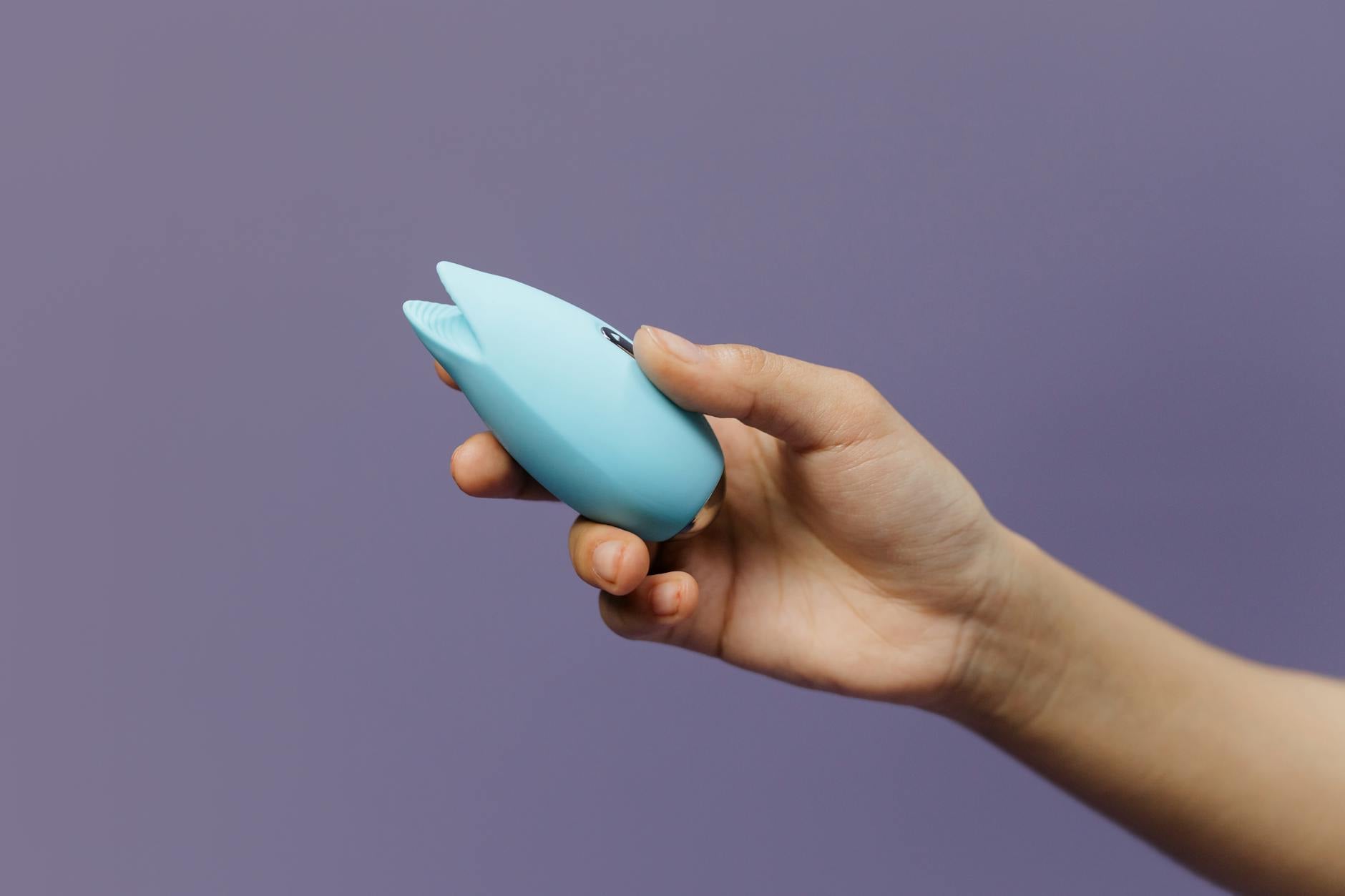
This is where suction vibrators, like the Lem, start making sense in a way they might not have before. Suction creates a different kind of stimulation than direct vibration. It's gentler on sensitive tissue while still reaching the nerve endings that matter most.
Why suction works better after hormonal shifts
A lemon clitoral vibrator using suction technology doesn't press directly into thinner tissue the way traditional vibrators do. Instead, it creates a gentle seal and pulsing sensation that stimulates nerves without the friction factor.
This matters because postmenopausal bodies benefit from approaches that reduce mechanical pressure while maintaining intensity. You get sensation without the potential irritation. The Lem, for instance, delivers intense stimulation through pattern and rhythm rather than sheer mechanical force against delicate skin.
Many people report that suction vibrators feel more powerful after menopause, not less. That's not because your body got stronger. It's because the delivery method is finally matched to your current tissue state.
The arousal timeline expands (and that's information, not a problem)
Estrogen also affects how quickly your nervous system fires up during arousal. Younger bodies often reach peak arousal in minutes. Post-menopausal bodies often need 15-25 minutes of build. This isn't dysfunction. It's a rhythm shift.
Honestly, this is where partners sometimes get stuck. They interpret the slower ramp as disinterest. It's usually just different timing. If you're familiar with that pattern, you can work with it instead of fighting it. A lemon sexual toy like the Lem works well here because you can take your time exploring different patterns and intensities without pressure.
Lubrication: it's still important, and it's still normal
Drop in natural lubrication is real. Thinner tissue produces less fluid. But needing lubricant isn't a sign of anything wrong. It's a sign that your body is behaving exactly as it should given lower estrogen.
Water-based lubricant becomes less of a luxury and more of a basic tool. Apply it generously and reapply as needed. Your tissues will thank you. Silicone-based lubes feel richer, but if you're using silicone toys, stick with water-based to protect the material.
The combination of good lube plus a gentler delivery system like suction vibration often produces the most comfortable, most intense experiences post-menopause.
What about desire and sensation changes?
Desire doesn't vanish with estrogen. Testosterone does drop, and testosterone matters for sexual wanting in all bodies. If desire has completely flatlined, that's worth discussing with a doctor. Testosterone therapy is underused in the US but available, and it can genuinely shift how sex feels.
But low desire and altered sensation are different things. You can have full desire and need to adjust your technique. Or you can have desire returning slowly while sensation is catching up. These deserve separate conversations, not to be bundled together into "menopause ruined everything."
Physical sensation often becomes more refined after menopause. The general background noise of hormonal cycling quiets down. Some people describe orgasms as feeling less scattered, more concentrated. The lemon vibrators designed with suction technology seem to amplify this effect for many users.
The pelvic floor plays a bigger role now
As estrogen drops, the pelvic floor loses structural support and can become tighter or weaker depending on the person. This changes how orgasm feels and sometimes makes it harder to reach.
Pelvic floor physical therapy is underrated and genuinely transformative. A PT trained in this area can assess whether you need strengthening, relaxation, or both. The combination of pelvic floor work plus a lemon clitoral vibrator often unlocks experiences people thought were gone.
Relaxation matters as much as strength. Many people hold tension in the pelvic floor without realizing it. Learning to fully release that tension can change everything.
The emotional layer you can't ignore
Menopause arrives alongside other midlife shifts. Kids leave. Relationships recalibrate. Work identities shift. Bodies change. It's a lot. The temptation is to blame pleasure shifts entirely on hormones. Sometimes that's accurate. Often, it's compounded by relationship tension, resentment, grief, or rediscovering what you actually want separate from what you've been doing for 20 years.
The physical stuff is fixable. Lube helps. Tools help. Understanding your changed body helps. But if the emotional foundation is rocky, no vibrator solves that. If you're rediscovering what turns you on outside of a long-term dynamic, that takes conversation and permission, not hardware.
When to talk to someone
Pain during sex deserves professional attention. Genitourinary syndrome of menopause, or GSM, is treatable with topical estrogen creams. Complete loss of desire paired with other midlife symptoms might call for a conversation about testosterone therapy or other hormonal support.
A menopause-informed therapist or gynecologist can help separate what's purely hormonal from what's relational. That separation is crucial. You deserve accurate information about your body and also space to figure out what pleasure looks like now.
Here's what actually happens next
Menopause doesn't end pleasure. It redistributes it. The pathway changes. The timeline changes. The tools that work might change. Your clitoral vibrator experience might shift from something that worked instantly to something that works better with lube, longer warm-up, and a delivery method like suction that matches your current tissue state.
This isn't loss. It's information. Once you have it, you can rebuild something that works for your body right now, not your body at 35. And for many people, what emerges on the other side is more intentional, more connected, and honestly more satisfying than what came before.
Your pleasure matters. Your changing body deserves attention and care, not shame. A lemon vibrator designed with menopause in mind, or any well-designed tool paired with good information, is part of honoring that.
People also ask
Can you use a lemon vibrator during menopause?
Absolutely. A lemon clitoral vibrator works well during and after menopause, often better than traditional vibrators because suction creates gentler stimulation. Thinner postmenopausal tissue responds well to suction's pulsing action rather than direct friction. Pair it with water-based lubricant, take longer warm-up time, and start at lower intensity patterns.
Do lemon suction vibrators hurt sensitive postmenopausal tissue?
They shouldn't, especially compared to traditional vibrators. Suction vibrators apply pressure differently than direct vibration. They create a seal and pulse rather than vibrate against skin. That said, start slowly, use generous lubricant, and stop if anything feels uncomfortable. If you experience pain, check with a gynecologist trained in menopause care.
How often can you use a lemon vibrator after menopause?
Frequency is individual. Some people use them daily, others weekly. There's no hard limit, but more frequent use might benefit from more generous lubrication. If you notice irritation or soreness, take a break. Your body will tell you what rhythm works. For specific guidance, see How Often Should You Use a Lemon Clitoral Vibrator.
Does menopause make clitoral vibrators less effective?
Not less effective. Different. Your body takes longer to warm up and might respond better to suction than friction. The intensity of sensation can actually feel sharper postmenopause because of thinner tissue. Adjusting your expectation of the timeline and choosing tools matched to your current tissue state usually brings back full effectiveness.
Is it normal to need more lubricant with vibrators after menopause?
Completely normal. Lower estrogen means less natural lubrication. Water-based lubricant isn't a sign something's wrong. It's matching your body's current needs. Reapply as often as you want. Generous lubrication plus a well-designed tool usually feels better than using less lube and more friction.
Should I use a different Hello Nancy vibrator after menopause?
Not necessarily. The Lem's suction design works beautifully for postmenopausal bodies. That said, what felt right before might feel different now. If direct vibration becomes uncomfortable, exploring suction-based options makes sense. If you're unsure, reach out. We're here to help you find what actually works for your body right now.