Let's talk about the antidepressant trap
You made the right call getting on medication. SSRIs and SNRIs saved your life, steadied your mood, gave you back your mornings. But then something else flattened: arousal. Desire went quiet. Orgasms either disappeared or showed up late and muted, like they were arriving through water.
This happens to roughly 40 to 60 percent of people on selective serotonin reuptake inhibitors. It's not in your head. It's not that you've stopped wanting pleasure. Your brain chemistry literally dampens the signals that trigger sexual response.
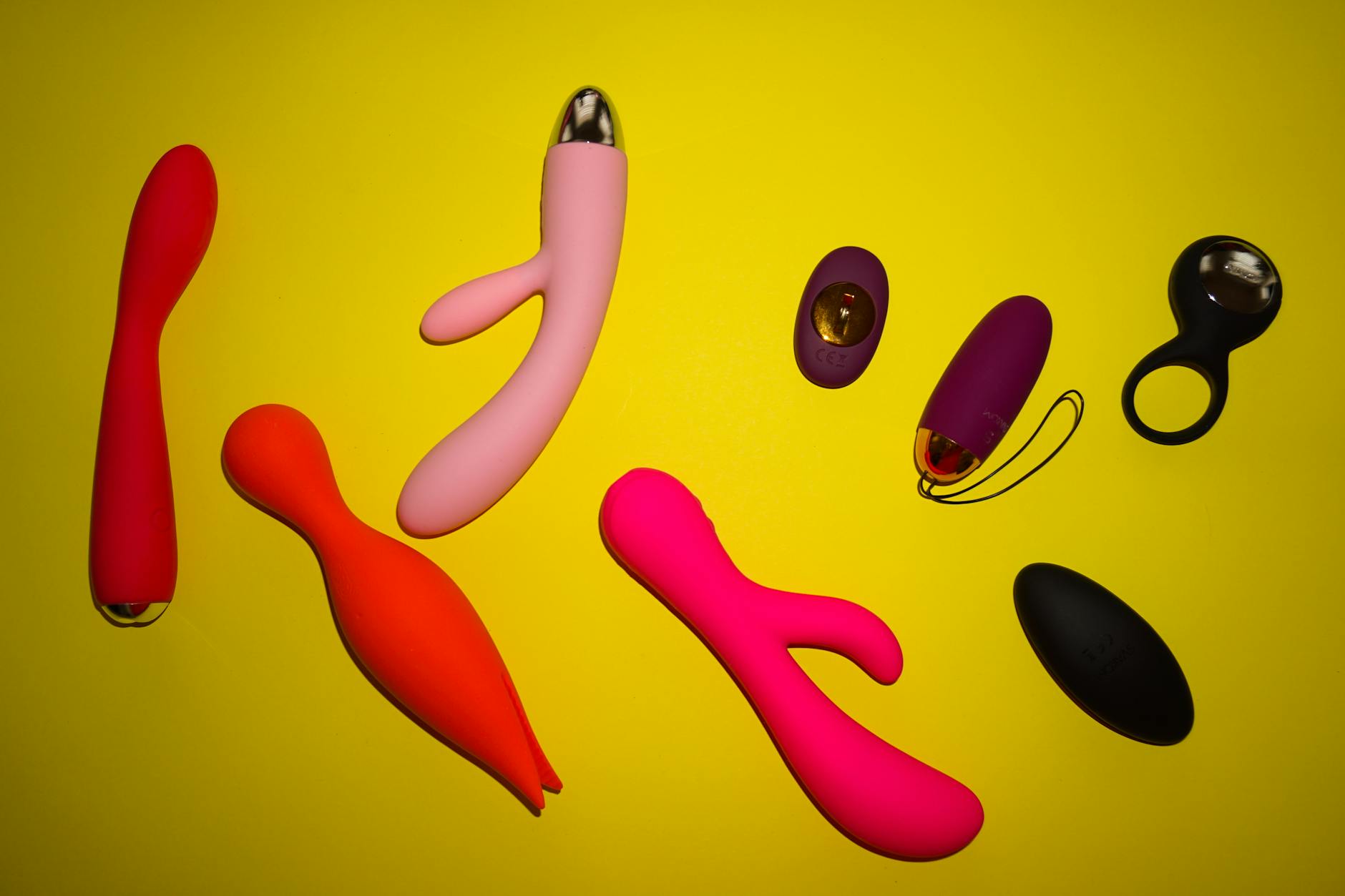
Here's the thing almost nobody tells you: lemon clitoral vibrators, specifically the suction-based design of tools like the Lem, can bridge that gap in ways traditional vibrators can't. They work with your medicated nervous system rather than against it.
How antidepressants actually flatten arousal
SSRIs and SNRIs work by keeping serotonin circulating longer in your synapses. That's what lifts depression. But serotonin also regulates dopamine and norepinephrine, the neurotransmitters directly involved in sexual desire and the physical cascade that builds arousal.
Think of it like this: the medication is holding back the accelerator. Your body still has the capacity for pleasure, but it takes longer to warm up, and the signals are quieter.
The numbing also affects genital sensation itself. Blood flow to erectile tissue slows. Lubrication production decreases (yes, in people with any genital anatomy). The clitoris becomes less responsive to standard vibration. It's like someone turned down the volume on your entire sexual nervous system.
What makes this particularly frustrating is that antidepressants don't make arousal impossible. They just make it harder to access. Your brain isn't broken. Your medication is doing exactly what it's supposed to do. But that doesn't make the sexual side effect any less real or any less worth addressing.
Why traditional vibrators often fail when you're on SSRIs
Most standard vibrators rely on consistent, repetitive buzz. They expect your nervous system to build sensation gradually. But if you're on an antidepressant, that gradual buildup doesn't happen the way the vibrator was designed for.
Your genital tissue needs stronger, more varied input to register sensation. A basic vibrator at setting three might feel like nothing. Cranking it to setting seven might feel overwhelming or numb in a different way. You're chasing a sweet spot that keeps moving.
This is why people on SSRIs often cycle through three, four, five different toys, each one promising to "finally work," and each one eventually becoming just another drawer disappointment.
The other issue is patience. With medication flattening response, foreplay needs to be longer. Most people aren't built for that. You get tired. They get bored. The pressure to perform kills arousal faster than any antidepressant ever could.
How suction changes the equation
Lemon clitoral vibrators use a completely different mechanism. Instead of vibration, they create gentle suction and release patterns that stimulate the clitoris from the inside, not just the surface. This feels fundamentally different from buzzing.
Why this matters for medicated bodies: suction bypasses some of the numbness. It's a stronger, more varied stimulus pattern. Your nervous system actually registers it as distinct. The sensation builds differently, and it builds faster.
The Lem, for example, creates a rhythmic pulse that feels more like a partner's mouth than like traditional vibration. That variety in stimulation is key. When your nervous system is dampened, repetitive input fades into background noise. But varied, pulsing sensation stays present.
Many of my clients on SSRIs report that they can actually feel arousal building with a lemon suction vibrator when they've felt nothing for months on regular vibrators. It's not magic. It's just a different mechanism that works better with flattened neurochemistry.
Timing, intensity, and the patience factor
Here's what I recommend to anyone using antidepressants who wants to restore sexual pleasure:
Start with lower intensity and give yourself permission for longer sessions. If you're used to five-minute quickies, budget twenty. Your nervous system needs time to warm up. This isn't failure. It's different physiology.
Use the lemon vibrator solo first. Remove the pressure of a partner waiting. Pleasure without an audience is radically different. You'll learn your new rhythm without performing.
When you do return to partnered sex, tell them what's changed. Not "the medication ruined everything," but "I need more time and more direct stimulation now." That's information, not rejection.
Mix suction with other forms of touch. Penetration, oral sex, manual stimulation, the lemon vibrator. Variety keeps sensation from flattening back into numbness. One tool alone rarely sustains arousal when you're medicated, but layering different inputs does.
The conversation with your prescriber
If arousal loss is severe, your doctor might adjust timing (taking your dose at night instead of morning), or they might switch you to a different SNRI or SSRI. Bupropion and mirtazapine have less sexual side effect profile, though they're not perfect. That's a real conversation to have.
But here's what I want you to know: that conversation doesn't have to come before you try a different approach to pleasure itself. The lemon suction vibrators exist in the gap between "this medication is helping my depression" and "I still deserve orgasms." You don't have to choose.
Many people find that once they've experienced pleasure again with a tool like the Lem, they feel more settled, more embodied, more connected to themselves. That actually improves their mood independently of the antidepressant. Sex isn't therapy, but it's also not separate from wellbeing.
Why sensation comes back (and what that feels like)
When someone on SSRIs uses a lemon clitoral vibrator consistently, something shifts usually within two to three weeks. It's not that the medication wears off. It's that your nervous system relearns where pleasure is and how to access it.
You might notice that arousal comes faster. That orgasms feel more textured, less binary. That you're thinking about sex again, which you might not have done in months.
This isn't a return to baseline. It's a new baseline. Your sexuality on antidepressants isn't the same as off them, and trying to force that comparison is a setup for disappointment. But your sexuality on antidepressants plus the right tools and expectations? That can absolutely include pleasure, orgasm, and desire.
The suction pattern of lemon vibrators seems particularly effective for this transition. They teach your body a new language of sensation. And once your nervous system remembers pleasure is possible, you often find that other forms of touch become accessible again too.
When to talk to a sex therapist
If you've tried a lemon clitoral vibrator for four weeks and still feel nothing, or if the medication side effects are severe enough to affect your overall quality of life, that's worth raising with someone trained in sexual health. There are actually quite a few options now: adjusting the medication, adding brief augmentation strategies, or working with a sex therapist who specializes in medication-related arousal issues.
You don't have to suffer through this alone, and you shouldn't settle for a life without pleasure because of a medication that's genuinely helping you in other ways.
One more thing: pleasure matters
I want to name something directly. In sessions, I often hear people say, "Well, at least the medication is working for my depression. I can live without good sex." I understand that calculation. But sexual pleasure isn't a luxury add-on. It's connected to your sense of self, your connection to your partner if you have one, your embodiment, your baseline mood.
The fact that antidepressants can flatten arousal is a real side effect that deserves real solutions. That might be a conversation with your prescriber. It might be exploring tools like lemon vibrators that work with your medicated nervous system instead of against it. It might be both.
Your depression is real and your medication is valid. Your right to pleasure is equally valid. You don't have to choose between them.
FAQs: Antidepressants and arousal restoration
Can switching antidepressants actually fix sexual side effects?
Sometimes, yes. Bupropion and mirtazapine have lower sexual side effect profiles than SSRIs. Some people also experience less numbness if they switch to a different SSRI. But it takes weeks to months to adjust, and there's no guarantee a new medication will feel better overall. That's why trying tools like lemon clitoral vibrators first often makes sense. You're not waiting for a medication switch that might not help.
How long does it take for sensation to return when using lemon vibrators?
Most people report noticeable shifts in two to four weeks of consistent use. That doesn't mean you'll suddenly have intense orgasms. It means arousal starts building faster, sensation feels more distinct, and pleasure becomes an actual option again. The timeline varies based on medication type, dosage, how long you've been on it, and individual neurology.
Is it safe to use a lemon vibrator while on antidepressants?
Completely. There's no interaction between the vibrator and your medication. The vibrator isn't changing your brain chemistry. It's just offering your nervous system a different type of stimulation that it might actually register. If you have any genital pain or unusual symptoms, that's worth checking in with a doctor about, but otherwise, vibrators are entirely safe alongside psychiatric medication.
Will my partner feel hurt if I need a vibrator now when I didn't before?
Only if you frame it that way. The truth is: your nervous system changed due to medication. Your body needs different input to access pleasure. That's not about your partner being insufficient. It's about physiology. Many couples find that introducing a lemon vibrator actually reconnects them sexually because suddenly pleasure is possible again. The tool isn't replacing your partner. It's opening a door.
What if I'm on a different class of antidepressant? Do lemon vibrators still help?
SSRIs and SNRIs cover the majority of antidepressants prescribed, and lemon clitoral vibrators seem to help most people with medication-related arousal flattening. But if you're on something like tricyclic antidepressants or atypical ones, the mechanism might be slightly different. The core principle still holds: suction-based vibrators offer more varied, distinct stimulation that your nervous system can actually register when general vibration has become background noise.
Can I eventually go back to using regular vibrators, or am I stuck with lemon vibrators forever?
Maybe. Some people find that after a few months of using a lemon vibrator and rebuilding arousal pathways, they can enjoy other tools again. Others find they prefer the suction pattern permanently and that's completely fine. There's no "supposed to." Your body tells you what works now. That might change later, or it might not.
If you're navigating sexuality while on antidepressants, you're dealing with a real neurochemical reality, not a character flaw. The fact that your pleasure shifted doesn't mean something's wrong with you. It means your medication is doing its job, and you deserve support in accessing pleasure anyway. Whether that's exploring lemon clitoral vibrators, talking to your prescriber, or working with a sex therapist trained in medication side effects, there are options. You don't have to choose between mental health and sexual wellbeing. You can have both.
If you want to talk through how to approach this conversation with your partner or your doctor, reach out. That's what we're here for.