The friction problem nobody talks about
Let's be real. Vaginal dryness isn't just uncomfortable. It's the kind of discomfort that makes you avoid sex altogether, which then creates relationship tension, which then makes the whole thing feel like a medical problem instead of a pleasure problem. And yes, it's both. But treating it as only medical misses the point.
When tissue thins and natural lubrication drops, traditional vibrators that rely on direct friction become painful. The faster they buzz, the more it stings. Adding lube helps, but only so much. The real issue is mechanical: you're still creating friction against delicate tissue that's literally thinner than it used to be.
That's where the design of lemon clitoral vibrators changes the game. Suction-based stimulation doesn't rub. It pulls. And that distinction is everything.
How suction bypasses the friction trap
The clitoris has roughly 8,000 nerve endings concentrated in a small area. Most of those are responsive to pressure and suction, not just vibration. When you use a traditional vibrator on thinned tissue, you're generating heat and friction that can feel raw or burning. It's like rubbing your skin the wrong way too many times.
Lemon vibrators work through gentle suction that creates a seal around the clitoris. This stimulates the nerve clusters without requiring direct friction against vulnerable tissue. Your lemon vibrator essentially massages the area by pulling gently, not scraping.
Clinically, this matters because suction stimulation activates different neural pathways than vibration alone. You get arousal and pleasure without the pain response that friction triggers on compromised tissue. It's not a workaround. It's a smarter angle entirely.
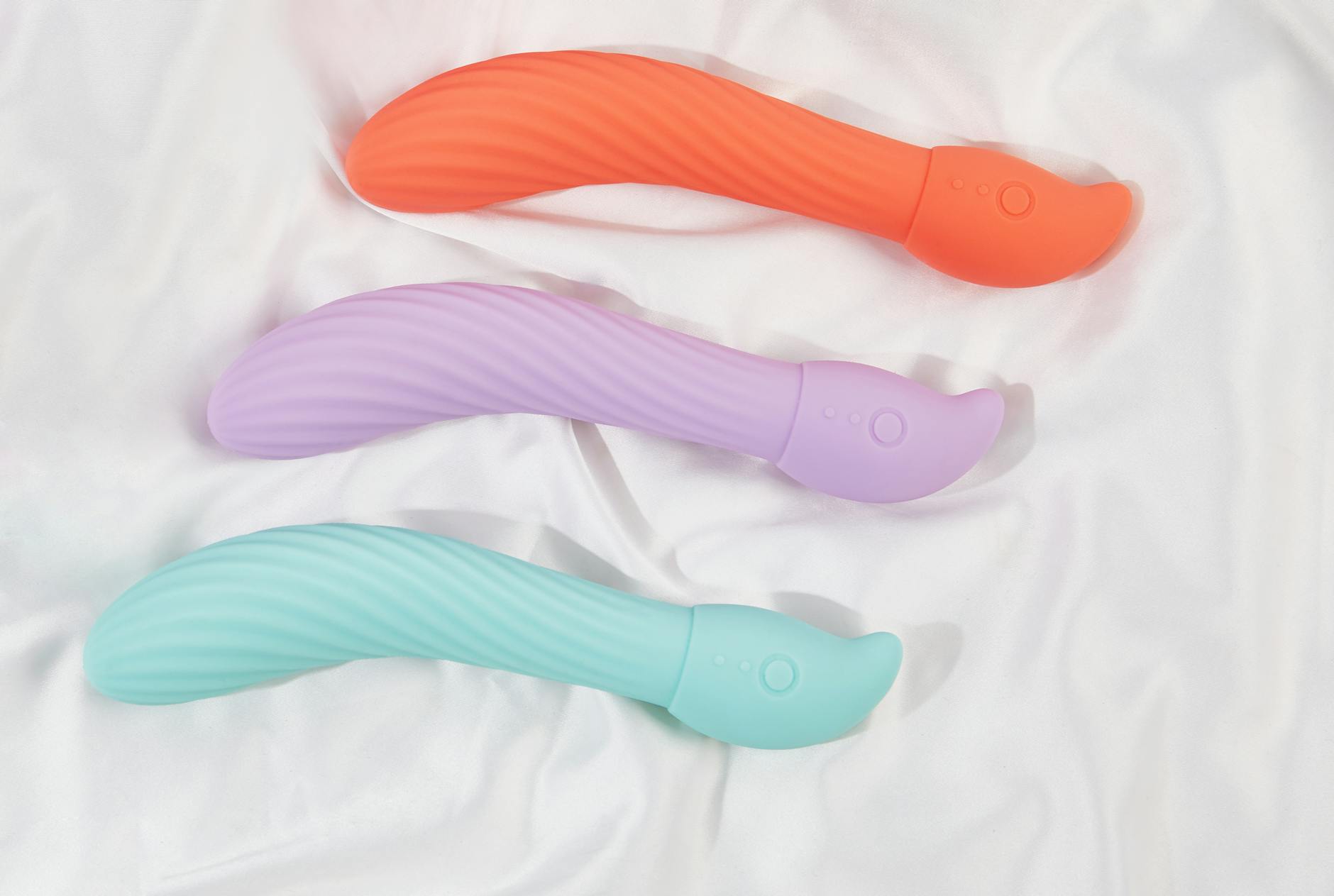
Photo by IFONNX Toys on Pexels
Why tissue thinning happens (and why it matters)
Estrogen, progesterone, and testosterone all affect vaginal tissue thickness, elasticity, and blood flow. When any of these drop, the tissue thins. This happens during perimenopause, menopause, postpartum breastfeeding, certain medications, and hormonal birth control shifts. It's not rare. It's extremely common.
Thin tissue is more fragile. It bleeds more easily with friction. It dries faster. Traditional vibrators designed for well-lubricated, thicker tissue can feel like sandpaper. That's not an overreaction. That's accurately describing what happens when you apply a tool designed for different tissue architecture to compromised tissue.
Lemon clitoral vibrators are engineered specifically to work on sensitive, compromised tissue because suction generates stimulation without requiring your tissue to stay lubricated constantly or to withstand sustained friction.
Lubrication still matters, but differently
Here's what I need to be clear about. You still need lubricant. But with suction-based vibrators, you need less of it, and it serves a different function.
With friction-based vibrators, lube is doing heavy lifting. It's supposed to keep tissue from getting raw. You often need to reapply mid-session because friction consumes it.
With your lemon vibrator, lubricant is more about comfort and ease of placement. It helps the suction cup seal properly and keeps everything feeling smooth. You're not fighting friction, so you don't lose lube at the same rate. Water-based lubricant works best because it won't degrade silicone, and it stays slippery without that sticky residue that some oil-based lubes leave.
Many of my clients find they need less lube overall once they switch to suction, which means less reapplication, less mess, and fewer interruptions.
Pattern and intensity matter more than power
Traditional vibrators often compete on vibration speed. More hertz. More power. For thinned tissue, this is backwards. A more powerful vibrator on compromised tissue is often worse, not better.
With lemon sexual toys, the magic is in the suction pattern and intensity, not raw power. A gentle, rolling suction pattern often produces better arousal and easier orgasms than the fastest setting on a friction vibrator.
Start at pattern 1 or 2. Work up slowly. You'll likely find that the lower to mid-range settings on your lemon clitoral vibrator feel more intense and satisfying than the highest settings on other devices, precisely because suction is more efficient at stimulating the nerve clusters that matter.
This actually gives you more control and pleasure, not less. Counterintuitive, but true.
When to combine suction with partnered touch
One of the underrated advantages of suction vibrators is that they leave more of your clitoris available for other stimulation. A bulky traditional vibrator occupies space. A lemon vibrator's design is more compact, which means your partner can still touch and kiss other parts of your vulva while you're using it.
This is genuinely different from how friction vibrators work, and it matters for partnered sex when tissue is compromised. You get suction stimulation where you need it most, plus the psychological benefit of being touched elsewhere. Many of my clients report that this combination produces their most reliable, intense orgasms.
If you have a partner, this is worth exploring. The conversation is simple.